Cute Easter Bunny Redwork: A Designer’s Review
As an embroidery designer who has spent years digitizing and reviewing files for commercial use, I approach every new machine embroidery design with a critical eye. It is not just about whether the image looks pretty on a screen; it is about how that design performs when stitched out on real fabric, subjected to washing, and viewed by potential customers. Today, I am reviewing Cute Easter Bunny Redwork, a design that promises simplicity and charm, specifically tailored for small business merchandise and branded patch applications.
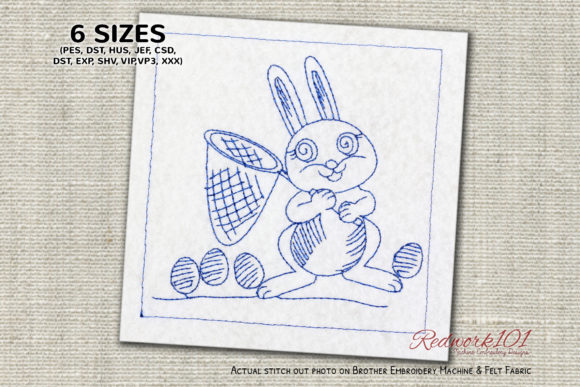
The first impression of this design is one of approachable professionalism. Redwork, by its nature, relies on single-color stitching, usually in a traditional red thread, though modern interpretations allow for any color. This specific embroidery file captures a playful yet clean aesthetic. It feels handmade and rustic, which aligns perfectly with current trends in boutique retail. For small business owners, this visual personality is crucial. It does not scream "corporate"; instead, it whispers "artisan," making it an excellent choice for brands that want to emphasize care, craft, and personal touch.
Real-World Applications for Small Business Merch
When evaluating Cute Easter Bunny Redwork for commercial purposes, we must look beyond the holiday itself. While the subject matter is tied to Easter, the style of redwork is timeless. Here is how this design performs across various product categories for apparel decorators and merch creators.
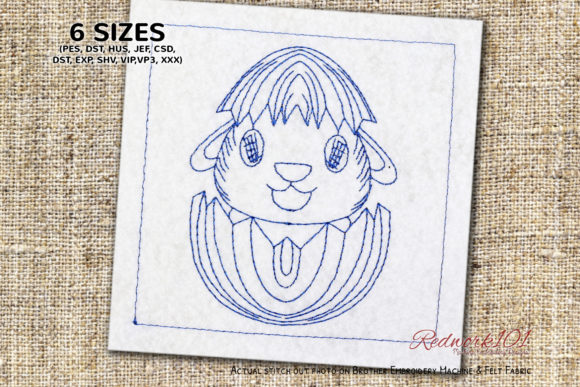
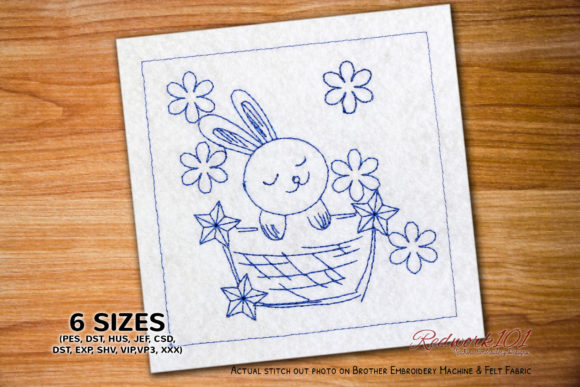
- Embroidered Patches: This is perhaps the strongest use case. The description notes that the box stitch shown in promotional pictures is optional. This is a significant advantage for patch makers. By skipping the outer box, you create a die-cut style patch that can be applied to denim jackets, canvas totes, or hats without a rigid border. The open spaces in redwork designs also mean less bulk, resulting in a flatter, more comfortable patch.
- Apron Embroidery: For bakeries, florists, and creative studios, branded aprons are walking advertisements. The simplicity of this bunny design ensures it remains legible even when stitched on textured fabrics like linen or heavy cotton canvas. It adds a seasonal touch to staff uniforms without overwhelming the brand’s primary logo.
- Cap Embroidery: Front-panel cap embroidery requires designs that are not too wide and have manageable stitch density. Since redwork typically uses running stitches or simple satin borders, Cute Easter Bunny Redwork avoids the puckering issues common with dense fills. However, caution is needed regarding the height of the design to ensure it fits within the standard cap hoop area.
- Tote Bag Design: Canvas tote bags are a staple for Etsy sellers and boutique shops. A single-color bunny design reduces production time and thread costs, allowing for higher profit margins on these small business merch items. It serves as a delightful accent that encourages impulse buys during the spring season.
Brand Identity and Customer Trust
Consistency is key to building brand identity. Using a cohesive design language across your custom apparel and accessories helps customers recognize your products instantly. Cute Easter Bunny Redwork contributes to a sense of visual consistency if your brand leans towards whimsical, family-friendly, or handcrafted values. When a customer sees this high-quality stitching on a product label or a gift with purchase, it reinforces trust. It signals that the business cares about the details, from the choice of thread to the clarity of the motif.
Furthermore, this design enhances the perceived value of a handmade product. In a market saturated with mass-produced goods, the slight variations inherent in embroidery—especially in redwork where thread tension is visible—add authenticity. Buyers engage more deeply with products that feel human-made. This design acts as a bridge between professional presentation and artisanal charm, boosting buyer engagement on platforms like Etsy or Instagram.
Technical Considerations and Production Notes
While the design is appealing, practical execution requires attention to detail. As a designer, I always advise testing before full-scale production. Here are specific technical notes for using Cute Easter Bunny Redwork effectively.
Fabric Texture and Stabilizer: Redwork shows every imperfection in the fabric. If you are stitching on a rough towel or a loose-weave linen, the lines may appear jagged. Always use an appropriate stabilizer. For stretchy fabrics like t-shirts, a cut-away stabilizer is essential to prevent distortion. For woven fabrics like aprons or totes, a tear-away may suffice, but test first. The fabric texture will dictate how crisp the final lines appear.
Thread Colors and Contrast: The description mentions that the color of the outer box is different in most designs and can be skipped. This flexibility allows you to match your brand’s palette. However, ensure high contrast between the thread and the fabric. A white bunny on a cream shirt will vanish. Stick to classic contrasts: red on white, navy on khaki, or black on pastel. This ensures the design remains bold and recognizable from a distance.
Stitch Density and Size: One of the benefits of redwork is low stitch density. This means the design sews out quickly and uses less thread. However, because it lacks fill stitches, scaling it down too much can make the lines disappear. Do not attempt to shrink this design for tiny labels unless you verify that the minimum stitch length remains viable on your machine. Check the recommended hoop size provided with the digital file to ensure it fits your equipment.
Where to Use Caution
Not every application is suitable for this specific design. Avoid using Cute Easter Bunny Redwork on items that require extreme durability and frequent industrial washing, such as heavy-duty work uniforms, unless you reinforce the stitching. The open nature of redwork can sometimes catch on loops if the thread tails are not properly secured. Additionally, be cautious with curved surfaces like the side of a sneaker or a tight sleeve curve, where the lack of fill might cause the design to look distorted if the fabric stretches during wear.
Also, consider the context of your audience. If your brand is strictly modern, minimalist, or corporate, this playful bunny might clash with your existing design assets. Ensure it complements your overall visual strategy rather than distracting from it.
Final Verdict for Commercial Embroidery
In conclusion, Cute Easter Bunny Redwork is a versatile asset for the right business. It excels in creating seasonal commercial embroidery projects that feel personal and high-quality. For café owners, boutique retailers, and crafters, it offers a low-risk, high-reward option for adding festive flair to merchandise.
Before you begin production, remember to create a printable mockup for client approval if you are doing custom work. Verify the commercial licensing terms included with your digital embroidery file to ensure you are compliant for resale. Check the specific file formats provided to match your machine’s requirements. By treating this design with the same rigor as any major branding element, you can leverage Cute Easter Bunny Redwork to enhance your product line, delight your customers, and boost your spring sales.
Ultimately, the success of this design lies in its execution. Test it in black and white first to check for clarity. Inspect the spacing between lines to ensure no unintended bridging occurs. When done correctly, this design becomes more than just an image; it becomes a tangible representation of your brand’s commitment to quality and creativity.