Happy Easter Bird Redwork: A Designer’s Review
As an embroidery designer who has spent countless weekends behind a craft fair table, I look at every new machine embroidery design through a very specific lens. It is not just about whether the stitches are pretty; it is about whether the design will stop a scrolling thumb on Instagram or make a passerby pause at my booth. When I first loaded the Happy Easter Bird Redwork onto my machine, my immediate thought was about versatility. In the high-pressure environment of a seasonal market, you need designs that work hard. This particular piece, with its classic redwork aesthetic and optional box stitch framing, feels like a quiet winner for spring collections.
First Impressions: Simplicity Sells
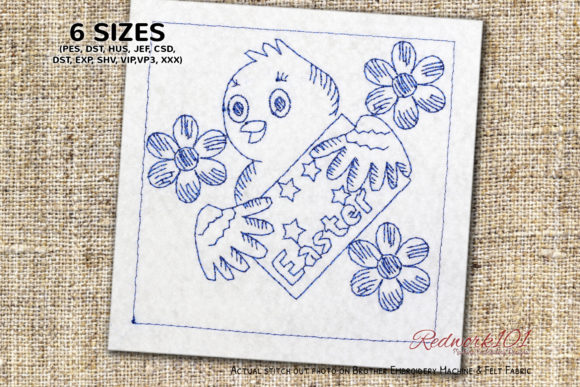
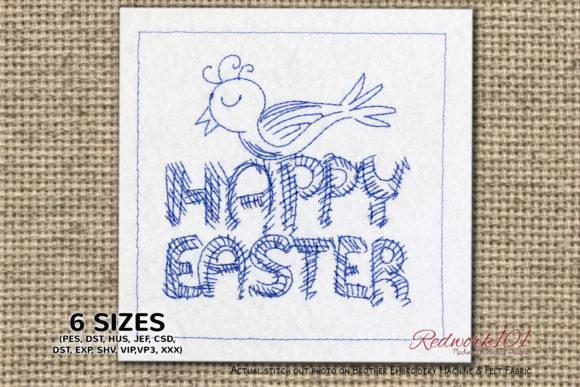
The visual appeal of Happy Easter Bird Redwork lies in its restraint. In a world where many digital files are overly complex, this design offers a breath of fresh air. The redwork style—traditionally single-color stitching on a neutral background—evokes a sense of farmhouse charm and rustic elegance. It does not scream for attention; instead, it invites a closer look. For a craft fair product, this is crucial. Customers are often overwhelmed by busy patterns. A clean, bold silhouette of a bird provides an instant focal point that is easy to understand at a glance.
The description notes that the outer box stitch is optional and often uses a different color. From a production standpoint, this is a brilliant feature. It allows us, as Etsy sellers and boutique makers, to customize the vibe. Keep the box for a framed, gift-ready look, or skip it entirely for a more modern, minimal aesthetic. This adaptability means one embroidery file can serve two different customer bases: those who love traditional decor and those who prefer contemporary simplicity.
Product Applications: Where This Design Shines
When planning my inventory for a spring market, I am always thinking about which handmade product categories yield the highest profit margin. Here is how I see Happy Easter Bird Redwork performing across various items:
- Tote Bags and Market Bags: This is arguably the best application. A large canvas tote with a centered bird motif becomes an instant bestseller. The tote bag design potential is huge because the redwork contrasts beautifully against natural cotton or linen. It feels substantial and valuable.
- Tea Towels and Aprons: Kitchen textiles are staple sellers. The tea towel embroidery looks particularly striking when placed in the corner or centered near the hem. For apron embroidery, placing the bird on the bib creates a charming, cohesive look that appeals to home cooks and bakers.
- Embroidered Patches: If you have a heat-press setup, turning this into an embroidered patch allows customers to customize their own jackets or jeans. It expands your product line without requiring you to stock finished garments.
- Pillow Covers: A neutral pillow cover with this festive bird adds a seasonal touch that is easy to swap out after the holiday passes. It feels like a premium home decor item rather than a disposable craft.
Production Practicalities for Small Shops
For any small shop product line, repeatability is key. You cannot afford designs that jam machines or require constant trimming. Redwork designs are generally favorable because they often have lower stitch density compared to full-fill satin designs. This means less thread consumption and faster run times, which directly impacts your bottom line. However, there are careful-use notes to consider.
Since this is likely a single-color or low-color design, thread contrast is everything. If you are stitching on dark fabric, ensure your thread color pops. Red on navy is classic; red on black can be tricky depending on lighting. Also, consider the fabric texture. Thick, textured towels can sometimes swallow small details. While the bird silhouette appears bold, always test on your specific material. If the design includes tiny internal details, they may get lost on terry cloth. In such cases, skipping the optional box stitch might help reduce clutter and maintain clarity.
Another critical factor is the hoop size. Before batch production, confirm the maximum dimensions of the design. If it is too large for standard 5x7 hoops, you may need to upgrade to 6x10 or larger frames, which affects which products you can efficiently produce. Always check the specific file details provided by the creator regarding hoop compatibility.
Visual Appeal and Buyer Engagement
In a crowded marketplace, brand consistency helps build trust. Happy Easter Bird Redwork fits seamlessly into a cohesive spring collection. Whether you are selling commercial embroidery services or finished goods, this design signals quality. It does not look like a cheap, mass-produced print. The texture of the thread adds a tactile element that photographs well for online listings.
When creating your printable mockup or taking photos for your Etsy seller profile, pay attention to lighting. Redwork can cast shadows if the stitching is dense. Use soft, natural light to highlight the sheen of the thread. A well-lit photo of this design on a crisp white apron can significantly boost buyer engagement. It suggests a handmade quality that resonates with customers looking for unique, giftable items.
Designer Notes for Best Results
Before you commit to producing fifty units for your next fair, follow these practical steps to ensure success:
- Test on Scrap Fabric: Never skip this step. Stitch the design on the exact fabric you plan to sell. Check for puckering or registration issues.
- Check Stabilizer Choice: For lightweight fabrics like tea towels, use a cut-away stabilizer to prevent distortion over time. For stable cottons like tote bags, a tear-away might suffice, but test first.
- Review Thread Colors: While red is traditional, consider offering variations. A sage green or navy version could appeal to customers who want spring decor without the traditional Easter palette.
- Confirm Licensing: Ensure you have the right to sell finished products made with this digital embroidery file. Most designers allow it, but always read the terms included with your purchase.
- Create Real Mockups: Do not rely solely on digital previews. Stitch one sample item and photograph it in a lifestyle setting. This helps you judge the true scale and impact of the design.
In conclusion, Happy Easter Bird Redwork is a strong contender for your spring lineup. It balances festive themes with timeless style, making it relevant beyond just the Easter weekend. By focusing on high-quality materials and precise production techniques, you can turn this simple design asset into a profitable segment of your finished product catalog. Whether you are a seasoned creative entrepreneur or just starting your embroidery journey, this design offers the reliability and charm needed to succeed in today’s handmade market.