Easter Bunny Cracked Egg Redwork Review
As an embroidery designer who spends countless hours digitizing and testing files for commercial use, I have learned that not every machine embroidery design is created equal. Some are flashy but impractical; others are simple yet incredibly versatile. Recently, I came across the Easter Bunny Inside Cracked Egg Redwork on Creative Fabrica, and it immediately caught my eye for its clean lines and seasonal charm. I decided to evaluate this design not just as a digital asset, but as a potential cornerstone for my spring product line. Here is my honest assessment of how this file performs in real-world applications.
First Impressions and Visual Appeal
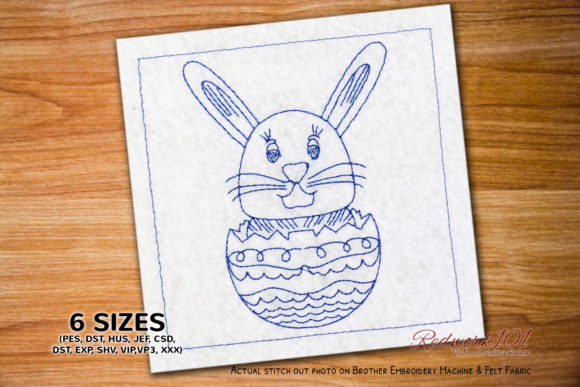
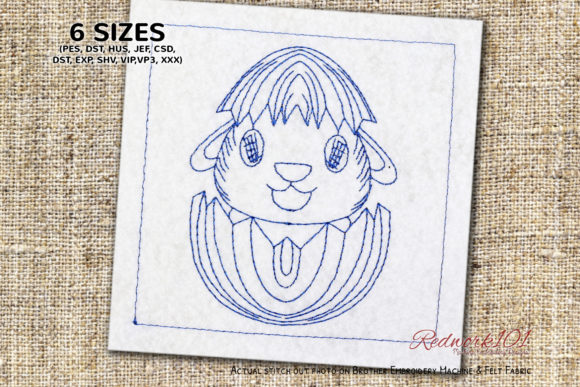
The first thing you notice about the Easter Bunny Inside Cracked Egg Redwork is its simplicity. In an era where overly complex designs with thousands of stitches dominate the market, there is a refreshing quality to redwork. This design relies on outline stitching, which gives it a classic, hand-drawn aesthetic. The visual mood is playful yet understated, making it suitable for a wide demographic, from young children to adults who appreciate subtle holiday decor.
The concept of a bunny peeking out from a cracked egg is iconic for Easter, but the execution here avoids cliché clutter. The lines are smooth, suggesting that the digitizer paid attention to stitch flow. For those of us who value design assets that do not require extensive editing, this is a significant plus. The optional box stitch mentioned in the description adds a layer of customization, allowing you to frame the design if your project demands a more structured look. However, the core strength lies in the open, airy nature of the redwork style, which prevents the fabric from becoming stiff or puckered.
Performance in Real Embroidery Projects
When considering a new embroidery file, I always ask: "Where will this sell?" The versatility of this particular design is its strongest selling point. Because it is primarily outline-based, it works exceptionally well on various textiles. I envision this design performing beautifully on several key products:
- Tote Bag Design: The open stitching allows the texture of canvas or cotton to show through, creating a high-end, boutique feel.
- Sweatshirt Embroidery: On fleece or French terry, dense fills can often look bulky. This redwork approach sits flat and comfortable against the skin.
- Kitchen Towels and Aprons: The whimsical nature fits perfectly with spring home goods. It adds a festive touch without overwhelming the utility of the item.
- Embroidered Patch: If you plan to create iron-on patches, the clear outlines provide a strong boundary for satin stitch borders if you choose to add them later.
For Etsy sellers and small business owners, this design offers a quick turnaround time. Since redwork typically has lower stitch counts than full-fill designs, you can produce more units in less time. This efficiency is crucial during the busy spring season when customers are looking for personalized gifts and last-minute holiday decor.
Practical Considerations for Stitching
While the design is straightforward, successful execution requires attention to detail. Here are some practical notes based on my experience with similar redwork files:
Fabric and Stabilizer Selection
Redwork reveals everything. Because there is no dense fill to hide imperfections, your choice of stabilizer is critical. I recommend using a cut-away stabilizer for stretchy fabrics like jersey or sweatshirt material to prevent distortion over time. For woven fabrics like cotton tote bags or aprons, a tear-away stabilizer usually suffices, but ensure it is high-quality to support the running stitches without tearing prematurely.
Thread Color and Contrast
The beauty of this design lies in the contrast. Traditional redwork uses red thread on white fabric, but do not feel restricted by tradition. For a modern twist, consider using pastel threads on white linen for a soft, nursery-appropriate look. Conversely, a bright white thread on a dark navy or charcoal fabric can make the Easter Bunny Inside Cracked Egg Redwork pop dramatically. Always test your thread colors on scrap fabric before committing to your final product. Check how the light hits the stitches; sometimes, certain thread finishes can glare under studio lighting, affecting your printable mockup accuracy.
Hoop Size and Placement
Before downloading, verify the available sizes. While the product description notes that the outer box stitch is optional, you must confirm the hoop size requirements for the main design. If you are stitching on curved surfaces like caps, ensure the design fits within a smaller hoop or use a cap frame adapter. The simplicity of the design makes it forgiving for slight misalignments, but precise hooping always yields a more professional finished product.
Commercial Viability and Brand Consistency
For creative entrepreneurs, the license terms are just as important as the stitch quality. Creative Fabrica generally offers generous licensing for physical products, but you must always read the specific license attached to the Creative Fabrica embroidery product page. Assuming standard commercial rights, this design can significantly enhance your brand consistency. Its clean lines allow it to pair well with other minimalist designs, creating a cohesive collection for your online shop.
Using this design in your marketing can also boost customer engagement. The nostalgic feel of redwork appeals to buyers looking for handmade authenticity. When photographing your items, the distinct outlines make for crisp, clear images that stand out in social media feeds. Whether you are selling custom apparel or home decor, the perceived value of a well-stitched redwork design is high because it showcases technical skill without appearing mass-produced.
Final Verdict
The Easter Bunny Inside Cracked Egg Redwork is a solid addition to any embroiderer’s library. It is not just a seasonal novelty; it is a practical, versatile tool for creating high-quality handmade goods. Its low stitch density reduces production time and material wear, while its classic aesthetic ensures it remains stylish beyond current trends.
If you are looking to expand your spring inventory with items that are quick to produce yet visually appealing, this design is worth considering. Just remember to test on your specific fabric types, choose your stabilizer wisely, and double-check the file details on the product page to ensure it meets your machine’s compatibility needs. With proper execution, this design can help you deliver beautiful, durable, and profitable embroidery projects this season.