Easter Cross with Hearts Redwork: A Designer’s Review
As a designer who has spent years digitizing patterns and stitching out thousands of designs, I have learned that simplicity is often the hardest thing to get right. When I first loaded the Easter Cross with Hearts Redwork into my editing software, I was looking for clean lines and balanced proportions. Redwork, by definition, relies entirely on the integrity of the stitch path because there are no fill stitches or satin columns to hide behind. Every jump, every angle, and every curve is exposed. This design caught my eye not because it was complex, but because it understood the assignment: it needed to be elegant, readable, and versatile.
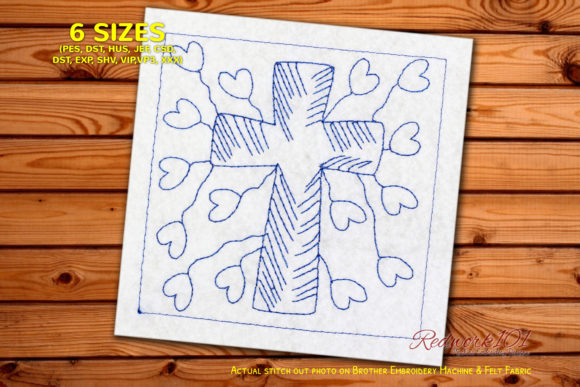
The immediate impression is one of quiet reverence mixed with warmth. The cross provides the structural anchor, while the hearts introduce a softness that prevents the motif from feeling too rigid or severe. For an embroidery project centered around spring holidays, this balance is crucial. It avoids the overly commercial feel of bright bunnies and pastel eggs, offering instead a timeless aesthetic that appeals to a broader demographic. Whether you are an Etsy seller looking to expand your holiday collection or a hobbyist making personalized gifts for family, this design offers a sophisticated alternative to standard seasonal motifs.
Real-World Application: The Tote Bag Test
To truly evaluate a machine embroidery design, you have to move beyond the screen and put it on fabric. I decided to test the Easter Cross with Hearts Redwork on a natural canvas tote bag. This is a popular item for small shop products and craft fair merchandise, so it served as a perfect real-life scenario. Canvas has a distinct weave, and redwork uses a running stitch that can sometimes sink into textured fabrics if the density is too low or the stabilizer is insufficient.
I hooped the bag with a cut-away stabilizer to ensure maximum support, as tote bags undergo significant stress during use. The stitching process was smooth. Because redwork typically utilizes a single thread color and consistent stitch type, there were fewer thread breaks and trims compared to a multi-color fill design. The result was crisp. The lines of the cross remained sharp, and the curves of the hearts flowed without puckering. On a neutral beige canvas, the traditional red thread popped beautifully, creating a high-contrast look that feels both rustic and refined. This confirmed my initial suspicion: this design is ideal for home decor items like tea towels, aprons, and pillow covers where a classic, handmade product aesthetic is desired.
Versatility Across Apparel and Decor
Beyond home goods, I considered how this design would perform on custom apparel. Sweatshirt embroidery requires a different approach than canvas. The fabric is thicker, often fleecy, and prone to shifting. For a sweatshirt, I would recommend using a heavy-duty tear-away stabilizer and possibly a topping if the fleece is particularly plush. The Easter Cross with Hearts Redwork holds up well here because the open nature of redwork allows the texture of the garment to show through, integrating the design into the fabric rather than sitting heavily on top of it like a dense fill stitch might.
For baby embroidery, such as on a onesie or a receiving blanket, the simplicity is a major advantage. Babies require frequent washing, and complex designs with high stitch density can become stiff or irritate sensitive skin. This design, being lightweight and flexible, remains soft after multiple wash cycles. It makes for a thoughtful personalized gift that parents will appreciate for its comfort as much as its sentiment. However, when working with stretchy knit fabrics for baby clothes, proper hooping and stabilization are non-negotiable to prevent distortion of the cross’s straight lines.
I also visualized this as an embroidered patch. Redwork translates exceptionally well to patches because the lack of dense filling keeps the patch thin and pliable. If you are creating design assets for a boutique branding package, offering this as a patch option could add significant value to your digital embroidery file offerings. It allows customers to apply the design to items that cannot be easily hooped, such as backpacks or finished caps.
Technical Considerations and Fabric Choices
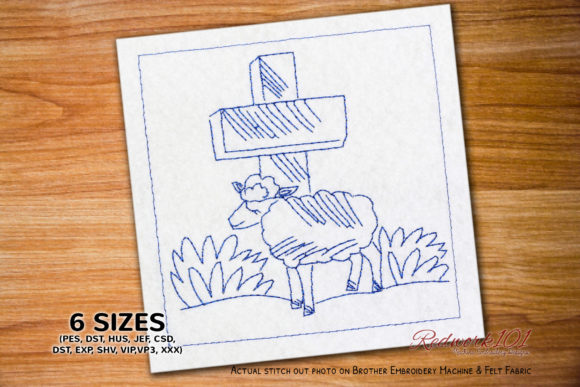
While the design is robust, there are areas where caution is necessary. The description notes that the Box Stitch shown in promotional pictures is optional and that the outer box color may vary. This is a critical detail for any commercial embroidery project. If you are selling finished items, you must decide whether to include the box. In my testing, I found that omitting the box created a cleaner, more modern look that worked better on smaller hoop sizes. Including the box frames the design nicely but adds complexity and increases the risk of misalignment if the fabric shifts.
Fabric texture plays a massive role in the final outcome. On smooth cotton or linen, the running stitch lies flat and looks precise. On highly textured fabrics like burlap or heavy wool, the individual stitches may get lost in the weave. If you plan to use this on dark fabric, consider switching from traditional red thread to a lighter color like cream or gold to maintain visibility, though this moves away from the traditional "redwork" style. Always test the design on scrap fabric first. Check thread color contrast against your specific material. What looks vibrant on a white mockup might disappear on a heather gray t-shirt.
Stitch density is another factor. Since this is a line-based design, it is generally low density. This is good for speed and fabric hand, but it means the design relies on the quality of your thread and tension. Poor tension will result in loose loops that ruin the clean lines. Ensure your machine is properly calibrated before starting a batch of production items. For curved surfaces like caps, the straight lines of the cross need to be positioned carefully to avoid wrapping awkwardly around the curve. Centering the design on the front panel is usually the safest bet for visual appeal.
Commercial Value and Brand Consistency
For the Etsy seller or creative entrepreneur, the Easter Cross with Hearts Redwork offers strong commercial potential. It fits seamlessly into categories ranging from religious holiday gifts to general spring decor. Its timeless nature means it does not feel dated after the season passes, increasing its perceived value. Customers often associate redwork with heritage and quality, which can help justify a higher price point for your handmade product.
When creating printable mockups or digital product previews, this design photographs well. The high contrast and simple shapes translate clearly even in thumbnail images, which is essential for online sales. However, always confirm licensing terms before selling finished items or digital products. While many designers allow commercial use of their embroidery files, some restrict the sale of the digital file itself. Understanding these boundaries protects your craft business and maintains professionalism in the community.
In terms of brand consistency, if your shop focuses on minimalist, faith-based, or traditional aesthetics, this design aligns perfectly. It reinforces a brand identity that values clarity and tradition. For buyers, the recognition of the symbol combined with the artistic touch of the hearts creates an emotional connection, driving buyer engagement. It is not just a decoration; it is a statement piece that conveys care and intention.
Final Verdict for Designers
The Easter Cross with Hearts Redwork is a solid addition to any designer’s library. It is not flashy, but it is dependable. It performs well across a variety of fabrics, from sturdy canvas to soft knits, provided you use the appropriate stabilizer. The optional box element gives you flexibility to adapt the design to different hoop sizes and customer preferences.
My advice is to treat this design with the respect it deserves. Do not rush the setup. Take the time to choose the right thread weight—typically 40wt or 60wt rayon or polyester works best for redwork. Experiment with different fabric backgrounds to see how the light interacts with the stitches. Use this design to elevate your spring collection, whether you are making a single personalized gift for a friend or producing a run of tote bags for your small shop. It is a reminder that in embroidery, as in design, less is often more.