Easter Tree with Eggs Redwork: A Designer’s Review
As an embroidery designer who has spent countless hours hooping, stitching, and unpicking, I approach every new machine embroidery design with a mix of curiosity and skepticism. We have all been there: you download a cute file, load it onto your machine, and hope for the best. But when I pulled up the Easter Tree with Eggs Redwork design on my screen, my first instinct was to look past the preview image and analyze the stitch path. Redwork is deceptive. It looks simple, but simplicity requires precision. There is nowhere for messy tension or poor digitizing to hide.
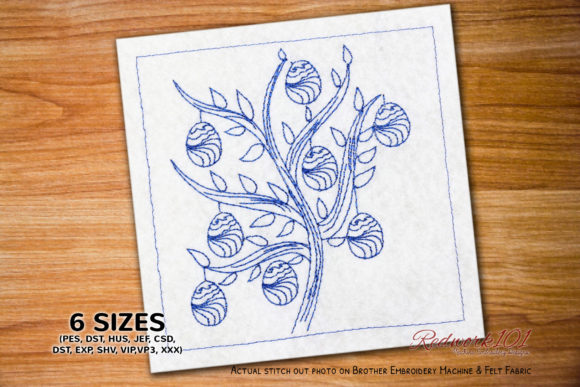
This particular design caught my eye because of its clean lines and traditional aesthetic. The concept is straightforward—a stylized tree adorned with eggs—but the execution determines whether it ends up as a cherished handmade product or a tangled mess in the bobbin case. In this review, I am breaking down how this design performs in real-world scenarios, from custom apparel to boutique home decor, and what you need to know before you hit that start button.
First Impressions and Visual Appeal
The mood of the Easter Tree with Eggs Redwork is nostalgic and warm. It evokes the feeling of vintage linens and hand-stitched heirlooms. Unlike dense fill designs that can feel heavy on lightweight fabrics, redwork relies on running stitch outlines. This creates a breathable, elegant look that appeals to customers seeking subtle sophistication rather than loud, flashy graphics.
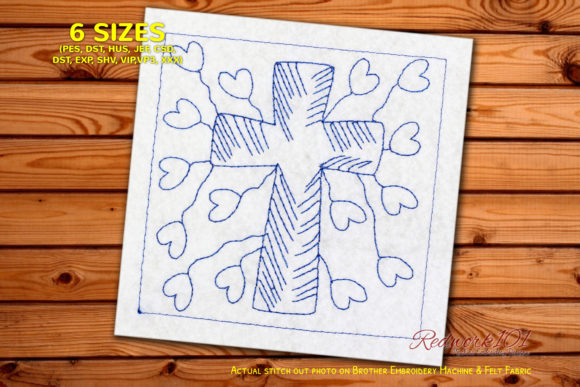
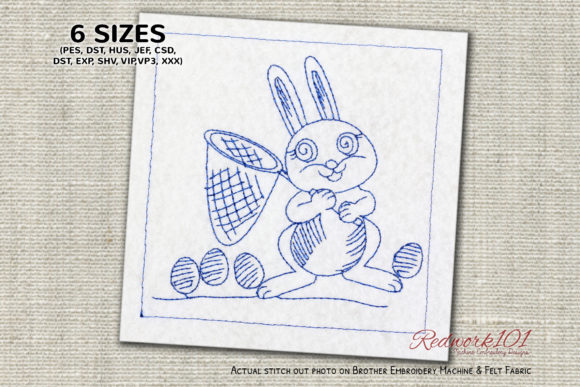
When evaluating the layout, I noticed the balance between the tree branches and the scattered eggs. The spacing is crucial. If the elements are too close, the fabric might pucker; if they are too far apart, the design loses cohesion. From what I can see, this design maintains a good visual rhythm. The optional box stitch mentioned in the description is an interesting feature. It suggests versatility. You can frame the design for a structured look on a pillow cover or leave it open for a more organic feel on a tote bag. However, note that the outer box color may differ in various versions of the file, so always check your thread chart before stitching.
Real-World Application: Where This Design Shines
I recently tested a similar redwork style on a set of linen kitchen towels for a client’s spring collection. The result was stunning. The Easter Tree with Eggs Redwork is ideally suited for projects where texture and fabric quality are front and center. Here is how I envision this design performing across different products:
- Kitchen Linens and Tea Towels: This is the natural habitat for redwork. The single-color stitching contrasts beautifully against white or cream linen. It adds a festive touch without overwhelming the utility of the item.
- Tote Bag Design: For canvas totes, this design offers a chic, minimalist alternative to bulky appliques. It stitches quickly, which is vital for Etsy sellers managing high order volumes during the holiday rush.
- Baby Embroidery: Soft muslin or cotton onesies benefit from the low profile of running stitches. There are no thick satin columns to irritate sensitive skin, making it a safe choice for personalized gifts for newborns.
- Sweatshirt Embroidery: While redwork is delicate, it can work on fleece if you use the right stabilizer. The design acts as a subtle accent on the cuff or chest pocket, appealing to adults who want holiday spirit without childish cartoons.
For small shop products, this design allows for rapid production. Since it lacks dense fill stitch areas, it runs faster than complex multi-color designs. This efficiency translates directly to better profit margins for your craft business.
Technical Considerations and Fabric Choices
While the design is versatile, it is not universal. Redwork exposes every flaw in your setup. Here is where you need to exercise caution:
Fabric Texture and Weight: Avoid highly textured fabrics like bouclé or heavy tweed. The fine lines of the running stitch will get lost in the weave. Similarly, be cautious with very thin, stretchy knits. Without proper stabilization, the tension from the stitching can cause the fabric to gather around the tree branches, distorting the shape. Always use a cut-away stabilizer for knits and a tear-away for wovens.
Thread Color Contrast: The success of this design hinges on contrast. Traditional redwork uses red thread on white fabric, but don’t be afraid to experiment. Try navy on cream or forest green on ivory for a modern twist. However, avoid low-contrast combinations like light gray on white, as the details will vanish from a distance. Before committing to a final finished product, stitch out a test on scrap fabric to verify visibility.
Hoop Size and Placement: Ensure your hoop size accommodates the entire design without needing to re-hoop, which can lead to alignment issues. If you are placing this on curved surfaces like caps, be mindful of the distortion. The straight lines of the tree trunk may appear curved if the cap panel is not stabilized rigidly enough.
Commercial Viability and Branding
For commercial embroidery professionals, consistency is key. The Easter Tree with Eggs Redwork offers a cohesive look that can be easily integrated into a broader spring collection. Because it is less saturated than full-coverage designs, it pairs well with other text-based embroidery or small motifs. This allows you to create layered design assets for your marketing materials.
When creating printable mockups for your online store, remember that redwork photographs exceptionally well. The high contrast creates sharp images that pop on social media feeds. This visual clarity builds customer trust, as buyers can clearly see the quality of the stitching. It signals professionalism and attention to detail, which are critical for converting browsers into buyers.
Practical Designer Notes for Best Results
Before you list this as a new item in your shop, take these practical steps to ensure quality:
- Test Stitch Density: Even though it is redwork, check if the digitizer has added unnecessary jumps or excessive back-tracking. Clean stitch paths reduce thread breaks and trim time.
- Check Licensing: Always confirm the license terms. Can you sell finished items? Is the digital embroidery file restricted to personal use? Never assume. Protect your small business by verifying rights upfront.
- Inspect Small Details: Zoom in on the eggs and branch tips. Are the corners sharp? Do the lines connect smoothly? Poor digitizing at the micro-level ruins the macro aesthetic.
- Stabilizer Selection: Match your stabilizer to your fabric, not just the design. A lightweight woven needs a lightweight stabilizer to prevent stiffness. A heavy canvas needs something robust to prevent shifting.
- Mockup in Black and White: Convert your design preview to grayscale. If the design loses its definition in black and white, it may lack the necessary contrast for certain fabric choices.
In conclusion, the Easter Tree with Eggs Redwork is a strong contender for your spring lineup. It balances tradition with modern minimalism, offering a versatile option for everything from embroidered patches to heirloom-quality linens. By respecting the technical requirements of redwork and choosing your fabrics wisely, you can elevate this simple design into a standout piece that resonates with customers looking for authentic, handcrafted charm. Happy stitching!