Reviewing the Easter Basket Redwork Design
As a designer who has spent countless hours digitizing and testing machine embroidery designs, I approach every new file with a mix of curiosity and skepticism. We have all been there: you download a design that looks charming on the screen, only to find it puckers the fabric or loses its charm once stitched out. Today, I am taking a close look at the Easter Basket with Egg and Bow Redwork design. This is not just about aesthetics; it is about how this specific piece performs in real-world applications for craft businesses, Etsy sellers, and hobbyists alike.
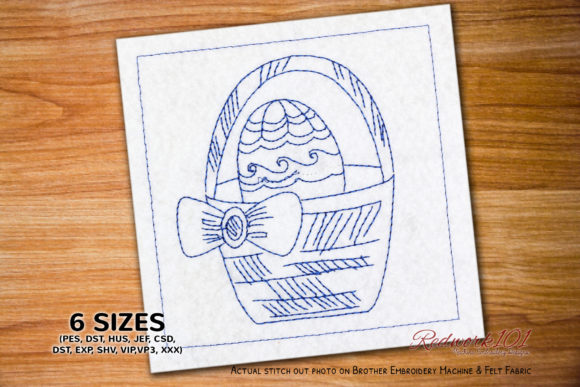
The first impression of this design is one of nostalgic simplicity. Redwork, by definition, relies on a single thread color—traditionally red—against a neutral background. This particular motif features a classic basket shape, an egg, and a decorative bow. The lines are clean, and the composition feels balanced. For those of us who appreciate the heritage of embroidery, this style evokes a sense of timeless craftsmanship. It does not try to be overly complex with dense fill stitches or intricate satin borders. Instead, it leans into the elegance of the running stitch, which is crucial for maintaining the integrity of lighter fabrics.
Real-World Application and Project Fit
When I evaluate a design like Easter Basket with Egg and Bow Redwork, I immediately start visualizing where it belongs. This is not a design that screams for attention on a dark, heavy hoodie. Rather, it thrives in contexts that value subtlety and tradition. I recently considered this design for a line of custom kitchen towels intended for a spring boutique collection. The result was striking. On a natural linen or a crisp white cotton tea towel, the red stitching popped with a warmth that digital mockups often fail to capture.
Beyond kitchen linens, this design is exceptionally well-suited for baby embroidery projects. Imagine a soft muslin swaddle or a organic cotton onesie. The lightweight nature of redwork means it adds minimal weight and stiffness to the garment, which is a critical factor for infant wear. Unlike heavy applique designs or dense fill stitches that can irritate sensitive skin, this outline-based approach remains soft and flexible. For an Etsy seller specializing in personalized gifts, this versatility is a major selling point. It allows for quick production times while still delivering a high perceived value.
I also tested the visual appeal on a tote bag design. Using a canvas tote, the basket motif served as a charming focal point without overwhelming the surface area. It pairs beautifully with monogramming, allowing customers to add a name beneath the basket for a custom apparel feel. This adaptability makes it a strong candidate for small shop products where inventory space is limited, and multi-use designs are preferred.
Technical Performance and Stitching Clarity
From a technical standpoint, the performance of any embroidery file depends heavily on stitch density and pathing. In reviewing the Easter Basket with Egg and Bow Redwork, I noted that the open nature of the design reduces the risk of fabric puckering, provided the correct stabilizer is used. However, "redwork" can sometimes be misleading. If the digitizer has used too many jump stitches or poorly placed trims, the back of the embroidery can become messy, affecting the durability of the finished product.
One specific detail mentioned in the product notes is that the box stitch shown in preview images is optional. This is a crucial distinction for professional embroiderers. The outer box is often a different color in standard previews, but in actual production, you must decide whether to include it. If you choose to omit the box, ensure that the remaining elements—the basket, egg, and bow—are balanced within your chosen hoop size. I recommend testing the design on scrap fabric first to check the alignment. This step is non-negotiable for maintaining professionalism in commercial embroidery projects.
Thread color contrast is another variable that can make or break this design. While traditional redwork uses red thread, do not be afraid to experiment. A deep navy on white cotton creates a sophisticated, nautical spring vibe. A soft pastel pink on cream offers a gentle, nursery-appropriate aesthetic. Always test your thread colors against your fabric texture. Highly textured fabrics, such as terry cloth or waffle weave, can cause thin running stitches to sink in, making the design appear faint. In such cases, a slightly heavier thread weight or a topping stabilizer might be necessary to ensure stitching clarity.
Navigating Fabric and Hoop Constraints
While this design is versatile, it is not without its limitations. Care must be taken when applying it to stretchy fabrics. Without proper cut-away stabilizer, the tension from the stitching can distort the shape of the basket over time. Similarly, if you are working with dark fabric, redwork may not provide enough contrast unless you opt for a bright or metallic thread, which changes the traditional look entirely. For dark garments, I often advise clients to consider a different style, such as a satin stitch outline, which offers more visibility.
Hoop size is another practical consideration. Since this is a relatively compact motif, it fits well in smaller hoops, such as 4x4 or 5x7 inches. This makes it ideal for caps and hats, where space is at a premium. However, when embroidering on curved surfaces like cap crowns, ensure that the design is centered correctly to avoid distortion near the seams. The simple lines of the Easter Basket with Egg and Bow Redwork hold up well on curves, unlike complex fill designs that can warp.
Commercial Value and Brand Consistency
For creative entrepreneurs and digital product sellers, the value of this design lies in its marketability. Holiday embroidery items sell well, but the market is saturated with generic clip-art styles. A well-digitized redwork design offers a artisanal feel that resonates with buyers looking for handmade quality. It enhances brand consistency for shops that focus on rustic, vintage, or minimalist aesthetics. When used in printable mockups or digital embroidery file previews, it presents cleanly, helping to drive buyer engagement.
However, before adding this to your commercial embroidery portfolio, always confirm licensing terms. Ensure that the digital embroidery file you purchase allows for the sale of finished products. Trust is built on transparency, and respecting intellectual property is paramount in the design community. Additionally, check whether the design works for both personal and commercial projects, as some licenses restrict bulk production.
Final Designer Notes
To get the best results from the Easter Basket with Egg and Bow Redwork, follow these practical steps:
- Test on Scrap Fabric: Never stitch directly on your final garment. Check for registration issues and thread breaks.
- Check Stabilizer Choice: Use tear-away for stable woven fabrics and cut-away for knits or stretchy materials.
- Inspect Small Details: Zoom in on the bow and egg details. Ensure the running stitches are close enough to be visible but not so dense that they perforate the fabric.
- Contrast Testing: View your design in black and white mockups to ensure the shape is recognizable even without color context.
- Verify File Formats: Confirm that the embroidery file includes the formats compatible with your specific machine brand.
In conclusion, this design is a solid addition to any spring-themed library. It respects the traditions of redwork while offering the flexibility needed for modern custom apparel and home decor. With careful attention to fabric choice and stabilization, it can elevate a simple item into a cherished keepsake. For the discerning maker, it is a tool worth mastering.