Reviewing Dragonfly Quilt Pattern Redwork for Merch
As an embroidery designer who has spent years refining digital files for commercial use, I approach every new machine embroidery design with a critical eye. It is not just about whether the motif looks pretty on a screen; it is about how it performs under the needle, how it wears over time, and how it elevates a brand. Recently, I evaluated the Dragonfly Quilt Pattern Redwork, a piece that sits squarely in the Bugs category but offers far more versatility than a simple insect illustration. For small business owners, Etsy sellers, and apparel decorators, understanding the nuances of this embroidery file is crucial before integrating it into your product line.
First Impressions: A Blend of Rustic Charm and Professional Simplicity
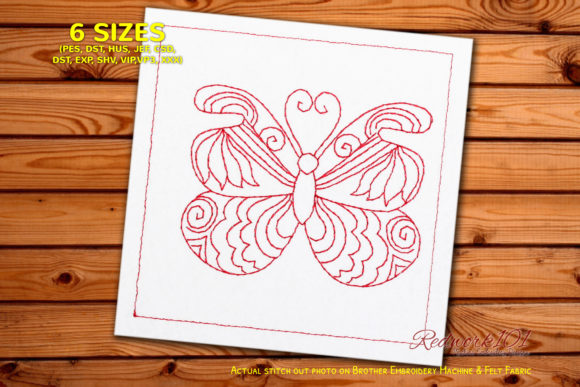
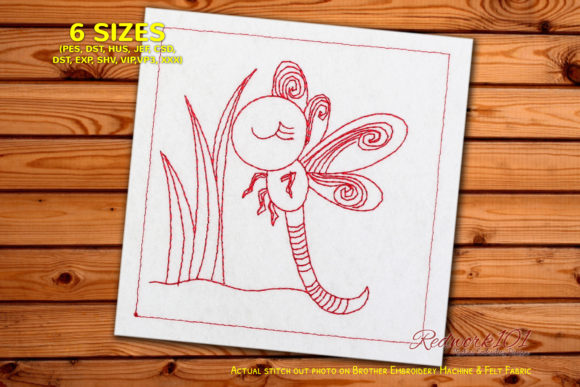
The immediate visual impact of the Dragonfly Quilt Pattern Redwork is one of understated elegance. Redwork, traditionally a style of embroidery using only red thread on white fabric, carries a heritage feel that resonates deeply with handmade brands. This design captures that classic aesthetic while maintaining a clean, modern outline suitable for contemporary branding. It feels friendly yet professional, avoiding the clutter that often plagues detailed nature motifs. For a boutique or creative studio, this design signals attention to detail and a respect for traditional craft, which can significantly enhance perceived value.
The description notes that the Box Stitch shown in promotional images is optional. This is a vital detail for designers. The ability to skip the outer box allows for greater flexibility. Without the box, the dragonfly stands alone as a minimalist icon, perfect for subtle branding. With the box, it becomes a framed emblem, ideal for patches or structured labels. This adaptability is a strong selling point for any digital embroidery file intended for diverse commercial applications.
Real-World Applications for Small Business Merchandise
When considering where to place this design, think beyond the standard quilt. The Dragonfly Quilt Pattern Redwork excels in several key areas of small business merch:
- Embroidered Patches: The clean lines make it an excellent candidate for woven or embroidered patches. These can be sold as standalone accessories or applied to jackets and bags.
- Apron Embroidery: For bakeries, florists, or craft studios, placing this design on the chest or pocket of a staff apron adds a touch of whimsy without sacrificing professionalism. The redwork style contrasts beautifully against denim or canvas aprons.
- Cap Embroidery: On the front panel of a baseball cap, the simplified silhouette works well. However, care must be taken with curvature, which I will address later.
- Tote Bag Design: Canvas tote bags are a staple for eco-conscious brands. A single dragonfly stitched near the bottom corner or centered on the front creates a sophisticated, artisanal look that appeals to buyers seeking unique, handmade product aesthetics.
- Custom Apparel: Use it as a sleeve detail on work shirts or a small chest logo accent on polo shirts. It serves as a recognizable mark of quality for local businesses.
For event merch or customer gifts, this design acts as a memorable token. Its association with nature and tranquility makes it particularly suitable for wellness brands, pet brands, or outdoor-oriented boutiques. By incorporating this design asset into your offerings, you create a visual consistency that strengthens brand identity.
Navigating Technical Challenges and Fabric Constraints
While the design is visually appealing, practical application requires careful consideration of technical factors. Not every surface is suitable for every embroidery file. Here is where experience matters:
Stitch Density and Fabric Texture: Redwork designs typically rely on running stitches or satin stitches with moderate density. On textured fabrics like heavy canvas or terry cloth, fine details might get lost. Always test the design on the actual material you intend to use. If the fabric is too rough, the delicate wings of the dragonfly may not define clearly. Conversely, on smooth cotton or poly-blends, the definition should be crisp.
Curved Surfaces and Cap Embroidery: Embroidering on caps presents unique challenges due to the curved front panel. The Dragonfly Quilt Pattern Redwork must be digitized with proper pull compensation to prevent distortion. If the design includes the optional box, ensure the corners do not pucker. For best results, use a stiff stabilizer and test extensively before committing to a full production run.
Small Patch Sizes: If you plan to use this as a tiny label or small patch, verify the minimum viable size. Intricate outlines can merge if scaled down too far. Check the spacing between the wing elements. If the gaps are too narrow, they may fill in with thread during stitching, ruining the airy feel of the dragonfly. A printable mockup at actual size can help visualize this before hitting the machine.
Color Contrast: Traditional redwork uses red on white, but for commercial embroidery on dark uniforms or colored apparel, you must adjust thread colors. Ensure high contrast so the design remains visible. A dark thread on a dark shirt will render the design invisible, defeating the purpose of branded merchandise.
Enhancing Brand Identity and Customer Trust
In the world of online sales and local markets, visual consistency builds trust. Using a cohesive set of design assets like the Dragonfly Quilt Pattern Redwork across various touchpoints—from packaging accents to staff uniforms—creates a professional image. Customers associate this level of detail with quality and care. When a buyer sees a well-executed embroidered logo on a tote bag or apron, it reinforces the perception of a premium, thoughtful brand.
Moreover, the handmade aesthetic of redwork appeals to consumers who value authenticity. It differentiates your finished product from mass-produced, printed alternatives. This emotional connection can drive buyer engagement and loyalty, turning one-time customers into repeat patrons who appreciate the artisanal touch.
Practical Notes for the Production Phase
Before launching this design in your shop, follow these essential steps to ensure success:
- Test in Black and White: Before selecting final thread colors, stitch the design in black thread on white fabric. This reveals any structural issues, spacing errors, or density problems without the distraction of color.
- Check Hoop Size Compatibility: Confirm that the design fits within your standard hoop sizes. While specific dimensions are not provided in the brief description, always measure the bounding box of the file in your embroidery software.
- Select the Right Stabilizer: For lightweight fabrics, use a cut-away stabilizer to prevent stretching. For stable wovens, a tear-away may suffice. The right stabilizer ensures the dragonfly retains its shape after washing.
- Create Client Mockups: If you are designing for a client, provide a realistic printable mockup showing the design on their specific garment. This manages expectations and reduces revision rounds.
- Verify Commercial Licensing: Always confirm the license terms of the digital embroidery file. Ensure you have the rights to use it for physical goods sold in your store. Never assume; read the terms provided by the designer.
- Inspect Thread Color Contrast: Choose thread colors that pop against your base fabric. For a modern twist, consider metallic or variegated threads, but ensure they do not obscure the design’s clarity.
The Dragonfly Quilt Pattern Redwork is a versatile and charming addition to any embroidery library. When used thoughtfully, it enhances brand identity and adds tangible value to custom apparel and accessories. By respecting the technical constraints and leveraging its aesthetic strengths, small business owners can create merchandise that stands out in a crowded market. Remember, the key to successful commercial embroidery lies in the details—test, refine, and present your work with pride.