Egg with Bow Lineart: A Designer’s Review
As an embroidery designer who has spent countless hours hooping fabrics and tweaking tension settings, I have learned that the most successful designs are not always the most complex. Sometimes, simplicity is the ultimate sophistication. This is exactly what struck me when I first viewed Egg with Bow Lineart on Creative Fabrica. In a market saturated with overly dense, thread-heavy patterns, this design offers a refreshing breath of minimalism. It captures the essence of spring and celebration without overwhelming the fabric, making it an ideal choice for crafters who value elegance and clean lines in their handmade products.
The Visual Appeal of Minimalist Charm
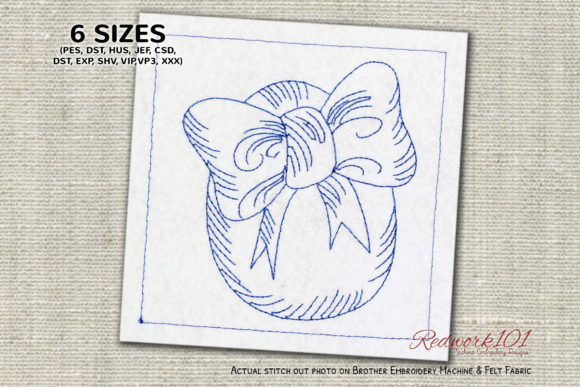
The first impression of Egg with Bow Lineart is one of gentle warmth. The line art style lends itself to a modern, airy aesthetic that feels both playful and refined. Unlike traditional filled designs that can look heavy on delicate textiles, this outline-based approach allows the texture of the underlying material to shine through. For those creating Easter themed items, this design strikes a perfect balance between seasonal relevance and year-round usability. It does not scream "holiday" so loudly that the item becomes obsolete after April; instead, it serves as a sweet, decorative motif that fits seamlessly into nursery decor or spring-themed home accents.
The inclusion of the bow adds a touch of whimsy and femininity, making it particularly appealing for baby-related projects. The visual softness of the curves suggests care and attention to detail, which translates directly to the perceived quality of the finished product. When customers see such a clean, well-digitized outline, they often associate it with high-end boutique quality rather than mass-produced goods.
Versatility Across Handmade Products
One of the strongest assets of this machine embroidery design is its versatility. I can envision this motif working beautifully across a wide range of substrates. For Etsy sellers and small business owners, having a design that performs well on multiple product types is invaluable for inventory management and marketing.
- Baby Embroidery: This design is perfectly suited for baby blankets, burp cloths, and onesies. The open nature of the line art means it remains breathable and soft against sensitive skin, avoiding the stiff feel that dense satin stitches can sometimes create.
- Wedding Gifts: With the right thread color choices, such as soft pastels or metallic golds, this egg and bow motif can be adapted for sophisticated wedding gifts. Imagine it embroidered on linen napkins or a custom tote bag for a spring bridal shower.
- Home Decor: The design scales well for larger items like pillow covers or wall hangings. It adds a subtle decorative element to living spaces without dominating the room’s aesthetic.
- Embroidered Towels: Kitchen towels and hand towels benefit greatly from line art designs. Since there is less thread buildup, the towel retains its absorbency and drape, which is a crucial selling point for functional home goods.
For those creating personalized gifts, this design serves as an excellent frame or companion to monograms. You could easily place a name beneath the egg or integrate it into a larger spring-themed composition. This flexibility makes it a staple file for any digital embroidery library focused on custom work.
Practical Considerations for Stitching Success
While the design is visually appealing, practical execution requires attention to detail. As with any embroidery file, understanding how it interacts with your specific materials is key to a professional result. Here are some technical insights based on my experience with similar line art styles.
Fabric Texture and Stabilizer Choice: Because this is a line art design, the stability of the fabric is paramount. On stretchy materials like baby clothes or jersey knits, using a cut-away stabilizer is non-negotiable to prevent distortion. For woven fabrics like cotton or linen used in tote bags or aprons, a tear-away stabilizer may suffice, but I always recommend testing first. The fabric texture will show through the open spaces of the design, so ensure the material is smooth and free of slubs if you want a crisp, clean look.
Thread Colors and Contrast: The description notes that the box stitch shown in preview images is optional and often a different color. This is a crucial detail. When stitching on dark fabrics, you must ensure your thread color contrasts sufficiently to make the line art visible. Conversely, on white or cream fabrics, using a tonal thread can create a subtle, embossed effect that looks incredibly chic. Always compare thread colors against your fabric swatch before committing to the final piece.
Stitch Density and Detail: Line art designs generally have lower stitch density than filled designs, which is great for speed and fabric hand-feel. However, this means that any misalignment or tension issues will be more visible. Ensure your machine is properly calibrated. If you are stitching on textured towels, consider using a water-soluble topping to keep the stitches from sinking into the pile, ensuring the lines remain sharp and defined.
Enhancing Customer Trust and Perceived Value
In the world of commercial embroidery, presentation is everything. A clean, well-executed design like Egg with Bow Lineart enhances the perceived value of your handmade product. Customers are increasingly drawn to items that look curated and thoughtful. The simplicity of this design allows for high-quality product photography, where the focus can be on the craftsmanship and the texture of the materials rather than distracting, chaotic patterns.
When you use this design for custom embroidery orders, it signals to the buyer that you prioritize quality over quantity. It suggests a modern, tasteful aesthetic that appeals to contemporary consumers. For small shop products, this can lead to higher engagement and repeat customers who appreciate the understated elegance of your work. Furthermore, because the design is not overly complex, it reduces the risk of production errors, allowing you to fulfill orders with confidence and consistency.
Final Thoughts and Best Practices
Before launching any new design into your production workflow, I always advise creating a test stitch-out. This is especially important for line art, where precision is key. Check the small details after stitching to ensure there are no jumps or loose threads. Confirm the hoop size requirements and ensure your machine can handle the file format provided. While the product description mentions that the outer box color can be skipped or changed, always review the specific file details and licensing terms on Creative Fabrica to ensure compliance for your intended use, whether for personal projects or commercial sales.
Ultimately, Egg with Bow Lineart is a delightful addition to any embroiderer’s collection. It offers a blend of seasonal charm and timeless style that works across various applications, from baby keepsakes to home decor. By paying attention to stabilizer choices, thread contrasts, and fabric textures, you can transform this simple digital file into a stunning finished product that delights customers and elevates your brand. Whether you are preparing for the Easter rush or building a year-round catalog of personalized gifts, this design proves that sometimes, less truly is more.