Reviewing Cute Fruits for Personalized Gifts
As an embroidery designer who has spent years digitizing and testing patterns for small businesses, I approach every new machine embroidery design with a critical eye. It is not just about whether the image looks pretty on a screen; it is about how that design translates into thread, how it holds up on fabric, and ultimately, how it resonates with the end customer. Recently, I had the opportunity to test Cute Fruits, a digital collection intended for personalized gift products. For Etsy sellers, crafters, and boutique owners looking to expand their Food category offerings, this review breaks down the practical application, aesthetic appeal, and technical considerations of using these designs in a real-world shop setting.
First Impressions: Mood and Aesthetic Appeal
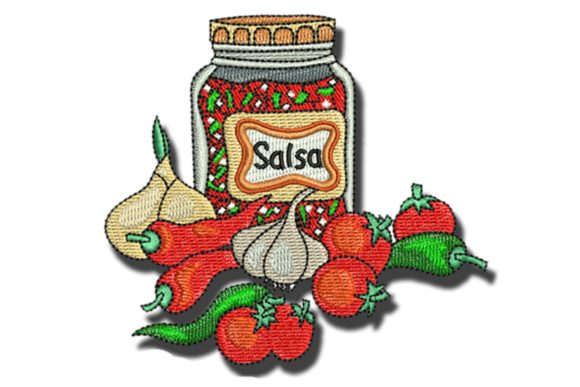
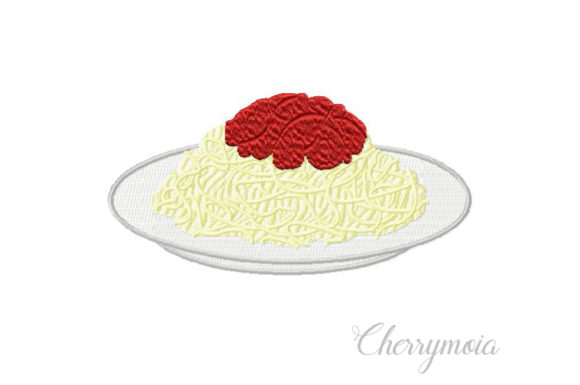
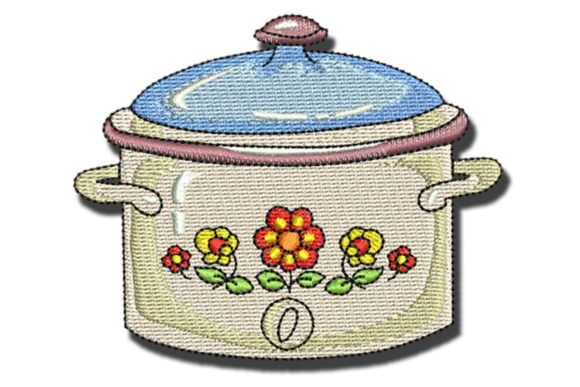
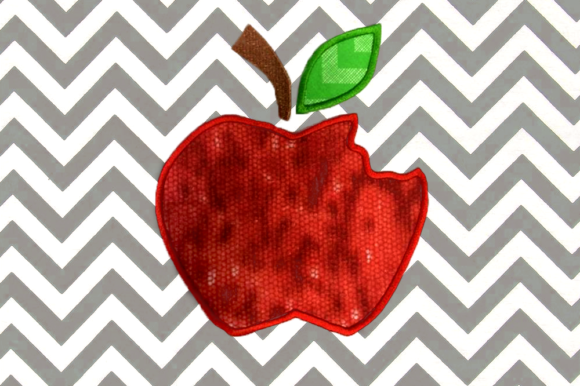
The moment I loaded the digital embroidery file for Cute Fruits into my editing software, the mood was immediately apparent. These are not hyper-realistic botanical illustrations; rather, they possess a charming, whimsical quality that feels both handmade and modern. The lines are clean, and the color palettes suggested by the default thread colors are vibrant yet soft, avoiding the harsh neon tones that can sometimes plague lower-quality digitizing. There is a sweetness to the design that makes it incredibly versatile. It feels playful enough for a child’s room but elegant enough for a kitchen accent, striking a balance that is often difficult to achieve in commercial embroidery.
For a personalized gift shop, emotional appeal is everything. Customers are not just buying a stitch pattern; they are buying a feeling. Cute Fruits evokes nostalgia, warmth, and a sense of domestic comfort. Whether it is a strawberry, a lemon, or a cluster of cherries, the imagery connects to universal themes of home, harvest, and care. This makes the design an excellent candidate for creators who want their handmade product lines to feel inviting and approachable.
Versatility Across Product Categories
One of the strongest assets of Cute Fruits is its adaptability across various substrates. In my testing, I envisioned several specific applications where this design would thrive. For baby product creators, these motifs are perfect for baby embroidery projects. Imagine a soft muslin swaddle or a nursery wall hanging featuring a tiny embroidered peach or pear. The simplicity of the fruit shapes ensures they remain recognizable even at smaller scales, which is crucial for infant items where bulkier stitches might be uncomfortable.
For wedding gift designers and those creating family keepsakes, the design offers a fresh take on traditional monograms. Pairing a fruit motif with a couple’s initials on a linen embroidered towel or a set of tea towels creates a sophisticated yet fun wedding gift. It moves away from stiff formality and embraces a modern, rustic chic aesthetic that is currently trending in home decor. Furthermore, for tote bags and aprons, the durability of the stitch pattern means it can withstand the wear and tear of daily use while maintaining its visual integrity.
Etsy sellers will find that these designs photograph beautifully. The distinct shapes and bright thread colors pop against neutral backgrounds, making them ideal for creating engaging printable mockup images or lifestyle photos for online listings. A pillow cover adorned with a subtle fruit vine or a single statement fruit can become a bestseller if marketed correctly as part of a seasonal collection.
Technical Considerations and Fabric Challenges
While the aesthetic is strong, any experienced embroiderer knows that execution is key. When working with Cute Fruits, there are specific technical areas that require careful attention. First, consider the fabric texture. Delicate details in the leaves or stems of the fruit designs may get lost on highly textured fabrics like thick terry cloth towels or rough linen. For these materials, I recommend increasing the stitch density slightly if your software allows, or choosing a smoother fabric like cotton twill or poplin to ensure the fine lines remain crisp.
Another critical factor is the choice of stabilizer. Because these designs are intended for items that may undergo frequent washing, such as kitchen towels or baby clothes, using a high-quality cut-away stabilizer is essential for stretchy fabrics, while a tear-away might suffice for stable woven cottons. Always test on scrap fabric first. I cannot stress this enough: what looks perfect on the screen may pucker or shift on actual material depending on the tension and hoop stability.
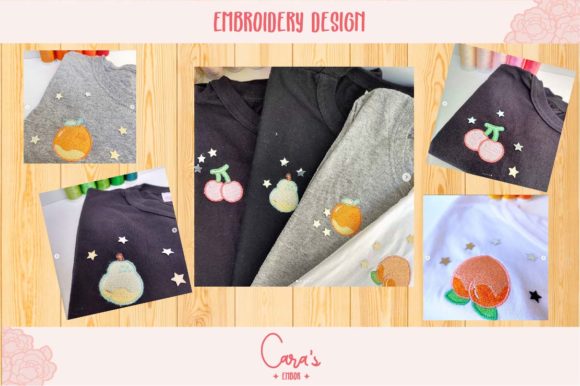
Dark fabrics present another challenge. If you plan to offer custom embroidery on navy or black tote bags, you must ensure there is sufficient contrast. The default thread colors in the preview may need adjustment. A bright yellow lemon will shine on dark blue, but a pale pink strawberry might disappear. Always create mockups comparing light and dark fabric options to guide your customers’ choices.
Enhancing Perceived Value and Customer Trust
In the world of online selling, perceived value drives sales. A well-executed Cute Fruits design elevates a simple item into a cherished keepsake. When a customer receives a blanket with precise, clean blanket embroidery, it signals quality and care. This builds trust and encourages repeat business. For small shop owners, offering personalized options with these designs can significantly increase buyer engagement. Customers love seeing their names or special dates integrated with charming graphics, making the gift feel unique and thoughtful.
However, transparency is vital. Since Cute Fruits is a digital product, ensure your listings clearly state that this is NOT a patch or a physical item. Educate your buyers that they need an embroidery machine and a way to transfer files from their computer to their machine. This clarity reduces refund requests and sets the right expectations for DIY enthusiasts versus those looking for finished goods.
Practical Steps for Implementation
Before adding Cute Fruits to your product lineup, follow these practical steps to ensure success:
- Check Licensing: Confirm the commercial licensing terms provided with the download. Ensure you are allowed to sell finished products made with these designs on platforms like Etsy.
- Verify File Formats: The product description notes that these are digital designs requiring an embroidery machine. Check which formats are included (such as PES, DST, or JEF) to ensure compatibility with your specific machine brand.
- Test Stitch Density: Run a test stitch-out on similar fabric to check for thread breaks or nesting. Adjust tension if necessary.
- Evaluate Hoop Size: Determine the maximum dimensions of the design to select the appropriate hoop. Larger hoops may be needed for multi-fruit arrangements, while smaller hoops work for single elements.
- Photograph Real Samples: Instead of relying solely on digital mockups, stitch out a few samples on different fabrics. High-quality photos of the actual texture and sheen of the thread will convert browsers into buyers.
Final Thoughts for Makers and Sellers
Cute Fruits is a delightful addition to any embroidery designer’s library. It bridges the gap between playful and professional, offering a versatile tool for creating meaningful personalized gifts. Whether you are crafting a baby shower present, a wedding keepsake, or a line of kitchen accessories, this design provides the charm and quality needed to stand out in a crowded market. By paying attention to fabric choices, stabilizer types, and thread contrast, you can transform this digital file into a tangible product that brings joy to your customers. For the modern maker, it represents not just a pattern, but an opportunity to connect with people through the timeless art of embroidery.