Apple with Bite Applique: A Designer’s Review
As an embroidery designer who has spent years digitizing patterns and stitching out countless samples for clients, I approach every new machine embroidery design with a critical eye. It is not just about whether the file opens correctly; it is about how that design translates from a digital embroidery file into a tangible, high-quality finished product. Recently, I evaluated the Apple with Bite Applique, a charming piece within the Food category, to determine its viability for real-world commercial and personal projects. My goal was to see if this design holds up under the scrutiny of a professional workflow, particularly for those of us running small shops or selling on platforms like Etsy.
First Impressions and Visual Personality
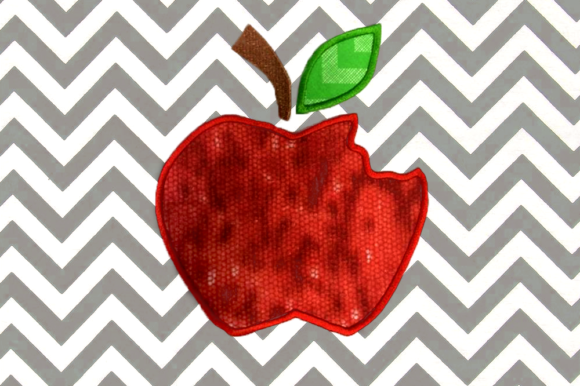
The first thing that strikes you about the Apple with Bite Applique is its playful yet clean aesthetic. The "bite" mark adds a narrative element—it suggests freshness, temptation, and fun. This is not just a static fruit icon; it implies action. For a designer, this is crucial because it creates an immediate emotional connection with the viewer. The layout is balanced, avoiding the common pitfall of asymmetrical designs that look lopsided once stitched. The visual personality is bright and inviting, making it an excellent candidate for projects that need to feel approachable and cheerful.
When I loaded the design into my software, I noted that the steps are separated by color changes. The instructions explicitly state: Please do not color sort or combine colors. If you are using a multi-needle machine, please set it to stop for color changes. This is a vital detail. Many modern embroiderers rely on automatic color sorting to save thread, but in applique work, the sequence of operations—placing the fabric, stitching the tack-down, trimming, and then finishing with a satin or fill stitch—is rigid. Disrupting this order can lead to misaligned layers or messy edges. Respecting the intended color change sequence ensures the structural integrity of the applique.
Real-World Application: The Tote Bag Test
To truly understand the value of this applique design, I simulated a common client request: a custom embroidered tote bag for a local farmer’s market vendor. The client wanted something that screamed "fresh produce" without being overly literal or cluttered. The Apple with Bite Applique fit this brief perfectly. I chose a sturdy canvas fabric, which provides a stable base for the applique pieces.
In this scenario, the design’s simplicity became its strength. Complex fill stitch areas can sometimes pucker lightweight canvas, but because this design relies on fabric layers for the bulk of the color, the stitch density remains manageable. The result was a crisp, professional-looking logo that stood out against the natural beige of the bag. It looked less like a homemade craft and more like a branded asset for a boutique shop. This is the kind of handmade product that builds customer trust because the execution looks intentional and polished.
Versatility Across Product Lines
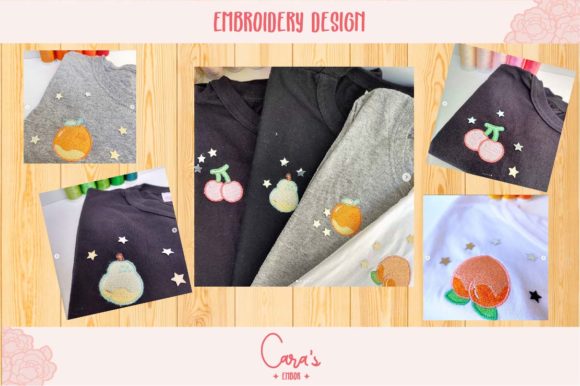
Beyond tote bags, this design shows remarkable versatility. For sweatshirt embroidery, the bold shapes of the apple hold up well against the textured surface of fleece or cotton blends. The bite mark prevents the design from looking too generic, adding a touch of whimsy that appeals to younger demographics. It also works exceptionally well as an embroidered patch. By stitching it out on a dense twill and cutting it close to the edge, you create a durable badge that can be ironed or sewn onto denim jackets, caps, or backpacks.
For those focusing on baby embroidery, this design can be softened by choosing pastel thread colors and soft minky fabrics for the applique layer. It becomes a sweet, non-gender-neutral motif for bibs or onesies. However, when moving to holiday embroidery themes, such as back-to-school or harvest festivals, the red and green colorways naturally align with seasonal trends, making it a smart addition to your design assets library for Q3 and Q4 sales.
Technical Considerations and Fabric Challenges
While the design is robust, there are scenarios where caution is required. Embroidering on stretchy fabrics, such as jersey knits for t-shirts, demands careful attention to stabilization. Because applique involves multiple layers of fabric and stitching, the hoop tension must be precise to prevent distortion. I recommend using a cut-away stabilizer for garments that will undergo frequent washing, ensuring the stitch density does not pull the fabric out of shape over time.
Another consideration is the size of the hoop. While the design is scalable, shrinking it too much can make the "bite" detail disappear or become difficult to trim accurately during the applique process. Conversely, enlarging it significantly may require checking if the satin stitch widths remain proportional. Always test the design on scrap fabric first. This simple step saves costly materials and protects your reputation as a reliable Etsy seller or craft business owner.
Dark fabrics present another challenge. If you are stitching a red apple on a black sweatshirt, ensure your tack-down stitches are visible enough to guide your trimming but not so dense that they show through the final applique fabric. Testing thread color contrast is essential here. A lighter bobbin thread might help reduce visibility on the back, while matching top threads ensure a seamless finish on the front.
Enhancing Brand Value and Customer Engagement
From a business perspective, the Apple with Bite Applique contributes to brand consistency. Its clean lines and recognizable shape make it easy to incorporate into printable mockup previews for your online store. High-quality visuals drive buyer engagement, and this design photographs well because the texture of the applique fabric adds depth that flat printing cannot achieve.
When customers see a well-executed applique, they perceive higher value. It signals that time and care went into the custom apparel or gift item. This perception justifies a higher price point and encourages repeat business. Whether you are creating personalized gifts for weddings or stocking inventory for a craft fair, the professionalism of the stitch-out reflects directly on your brand.
Final Designer Notes
Before committing to a large production run, review the specific details provided with the file. Since the description notes that steps are separated by color changes, adhere strictly to this workflow. Check the recommended hoop size to ensure it fits your machine’s capabilities. Verify the license terms if you plan to sell the digital embroidery file itself or use it in commercial products, as rights can vary between designers.
In summary, the Apple with Bite Applique is a practical, versatile, and visually appealing addition to any embroidery portfolio. It bridges the gap between playful creativity and professional execution, making it suitable for a wide range of embroidery project types. By respecting the technical requirements of applique stitching and choosing the right fabrics, you can leverage this design to create standout products that resonate with customers and elevate your craft business.