Heartline Heart: A Designer’s Review for Real Projects
As someone who has spent countless hours hooped up at the machine, watching needles dance across fabric, I have learned that not all digital files are created equal. Some designs look stunning on a screen but turn into a tangled mess of thread breaks and puckering in real life. Others, like Heartline Heart, offer a refreshing balance of aesthetic appeal and technical reliability. When I first pulled up this file to evaluate it for an upcoming batch of custom orders, I was looking for more than just a pretty shape. I needed a design that could hold its own on commercial products while remaining easy enough for hobbyists to manage.
First Impressions and Visual Personality
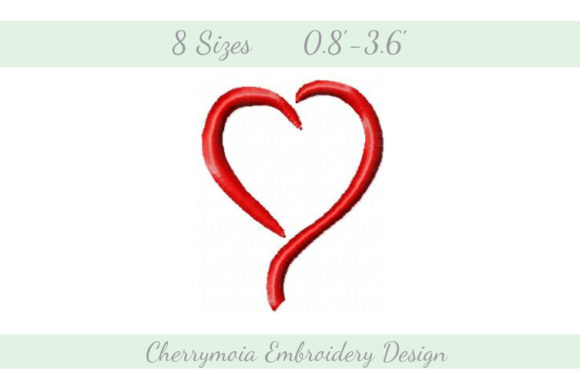
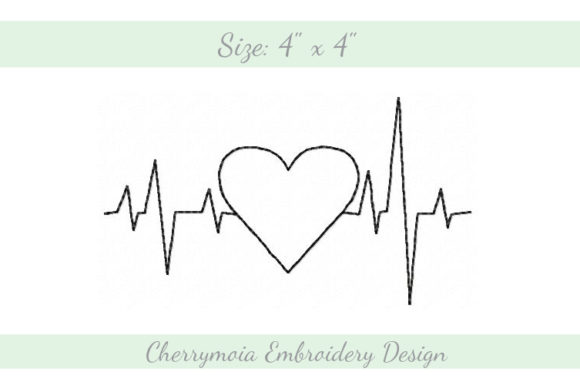
The immediate mood of Heartline Heart is playful yet structured. It does not rely on overly complex shading or dense fill stitches that can stiffen delicate fabrics. Instead, it utilizes a clean line work approach that suggests movement and energy. This "cool heart" aesthetic adds life to creations without overwhelming the base material. For designers, this is crucial. We often struggle with hearts that look too juvenile or too rigid. This design strikes a middle ground that feels modern and versatile.
The layout is compact, which makes it incredibly flexible. Whether you are working with a small 4x4 hoop for a baby onesie or a larger frame for a tote bag, the proportions remain consistent. The visual personality is friendly and inviting, making it an excellent candidate for projects where emotional connection matters. It is not just a symbol; it is a statement piece that invites the viewer to look closer.
Real-World Application: The Custom Tote Bag Test
To truly understand how an embroidery file performs, you have to take it out of the digital realm and into the workshop. I recently used Heartline Heart for a client order involving canvas tote bags. These were intended as promotional items for a local boutique, so durability and visual clarity were non-negotiable.
I chose a medium-weight cotton canvas and paired the design with a vibrant red thread to maximize contrast. The stitching process was smooth. Because the design avoids excessive density, it did not cause the fabric to pucker, a common issue with heavy fill stitches on woven materials. The result was a crisp, professional-looking emblem that sat flat against the texture of the canvas. Customers who received these bags commented on the quality of the stitch work, noting that it looked intentional and high-end rather than mass-produced.
This experience highlighted why this design works so well for small shop products. It translates beautifully from a printable mockup to a tangible handmade product. For Etsy sellers and craft business owners, this reliability reduces the risk of wasted materials and time.
Versatility Across Product Lines
Beyond tote bags, Heartline Heart shines in various applications. Its adaptability makes it a strong contender for custom apparel. On a sweatshirt, the design stands out clearly against fleece, provided you use the right stabilizer. For sweatshirt embroidery, I recommend a cut-away stabilizer to support the stretch of the knit fabric, ensuring the heart maintains its shape after repeated wear and washing.
It is also an excellent choice for baby embroidery projects. The lack of tiny, fragile details means it holds up well on soft cotton onesies or burp cloths. Parents appreciate gifts that are both cute and durable, and this design delivers on both fronts. As a personalized gift option, it pairs wonderfully with initials or names, though you should ensure any added text is sized appropriately to match the scale of the heart.
For those in the holiday embroidery niche, particularly around Valentine S Day, this design is a staple. However, its neutral style allows it to transcend seasonal trends. It can be used year-round for wedding gifts, anniversary presents, or simply as a decorative accent on home goods like pillow covers and kitchen towels.
Technical Considerations and Fabric Choices
While Heartline Heart is user-friendly, there are scenarios where caution is required. If you are working with very thin or slippery fabrics, such as silk or rayon, the stitch density must be managed carefully. Even though this design is not overly dense, using a lightweight tear-away or wash-away stabilizer is essential to prevent shifting.
Textured fabrics present another challenge. On highly textured materials like terry cloth or thick wool, the finer lines of the design might get lost. In these cases, increasing the size of the embroidery or using a thicker thread weight can help maintain visibility. For embroidered patch creation, this design works well because the clear outlines allow for easy cutting and finishing around the edges.
When using this design on curved surfaces, such as caps or hats, hoop stability is key. The design’s compact nature makes it suitable for the front panel of a cap, but you must ensure the fabric is taut to avoid distortion. Always test on scrap fabric first. This simple step saves hours of frustration and ensures that your finished product meets professional standards.
Enhancing Brand Value and Customer Trust
For commercial embroidery professionals, the choice of design assets directly impacts brand perception. Using a clean, well-digitized file like Heartline Heart signals attention to detail. It builds customer trust because the final item looks polished and deliberate. In contrast, poorly digitized designs with jagged edges or uneven spacing can undermine even the highest quality materials.
This design also supports better brand consistency. Its simple lines make it easy to integrate into a broader visual identity. Whether you are creating design assets for social media previews or physical tags for your packaging, the heart’s recognizable shape reinforces your brand’s aesthetic. For digital product sellers, offering this design as part of a bundle can increase perceived value, especially if marketed towards makers who prioritize ease of use.
Practical Notes for Designers and Makers
Before committing to a large production run, consider these practical steps:
- Check Thread Color Contrast: Test the design on both light and dark fabrics. A monochromatic look can be sophisticated, but high contrast often yields better visibility for intricate line work.
- Review Stitch Density: While the file comes with multiple formats, always inspect the density in your embroidery software. Adjust if necessary for specific fabric types.
- Confirm Hoop Size: Ensure the design fits comfortably within your hoop, leaving enough margin for clamping without stitching over the hoop edge.
- Inspect Small Details: Zoom in on the digital file to check for any potential jump stitches or unnecessary trims that could affect efficiency.
- Licensing Verification: Always confirm the license terms before selling finished items. Most designers allow commercial use for physical products, but restrictions may apply to digital resale.
In conclusion, Heartline Heart is a reliable, versatile addition to any designer’s library. It bridges the gap between artistic expression and technical practicality, making it ideal for everyone from novice hobbyists to seasoned apparel decorators. By understanding its strengths and limitations, you can leverage this design to create memorable, high-quality products that resonate with customers.