Cat with Heart Balloons Redwork: A Designer’s Review
As an embroidery designer who has spent countless hours hooping fabrics and tweaking tension settings, I approach every new machine embroidery design with a mix of curiosity and caution. When I first loaded the Cat with Heart Balloons Redwork onto my machine, I was looking for more than just cute aesthetics. I wanted to know if this design could hold up in a real-world retail environment. Could it serve as a reliable staple for a personalized gift shop? Would it appeal to the discerning eye of an Etsy seller or a small business owner looking for that perfect Valentine S Day offering?
The short answer is yes, but with some important considerations regarding fabric choice and placement. This review breaks down my experience testing this design, focusing on its practical application for handmade products and custom orders.
First Impressions: Charm and Simplicity
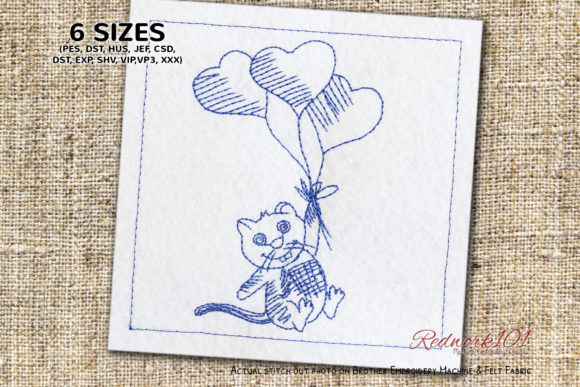
The immediate mood of the Cat with Heart Balloons Redwork is undeniably sweet and playful. Redwork, by nature, relies on single-color stitching, usually in a classic red thread, which gives the design a vintage, nostalgic feel. This particular motif combines that traditional technique with a whimsical subject: a cat holding heart-shaped balloons. It strikes a balance between elegant simplicity and modern charm.
For a designer, the clean lines are a breath of fresh air. There is no excessive satin stitching that might pucker delicate fabrics, nor is there dense fill work that requires heavy stabilizers. The emotional appeal is strong; it evokes feelings of warmth and affection, making it an ideal candidate for a personalized gift. Whether you are targeting customers looking for baby shower presents or romantic keepsakes, the visual language here is universal and welcoming.
Versatility Across Product Lines
One of the strongest assets of this embroidery file is its versatility. In my test run, I explored how it would look on various substrates commonly found in a small shop product lineup. Here is where this design truly shines:
- Baby Embroidery: The simple outline style is gentle enough for nursery items. Imagine this stitched on a muslin swaddle or a cotton onesie. It feels handmade and tender, perfect for a new parent.
- Kitchen Linens: An embroidered towel featuring this cat adds a touch of personality to a standard tea towel. The red thread pops beautifully against white or cream linen, creating a classic farmhouse aesthetic.
- Wedding Gift Keepsakes: While often associated with Valentine S Day, the heart motif makes it suitable for anniversaries or bridal showers. Stitched on a pillow cover or a tote bag, it becomes a cherished memento.
- Etsy Listings: For digital product sellers or those selling finished goods, the photogenic nature of redwork helps create stunning printable mockup images. The high contrast between the thread and fabric draws the eye in thumbnail views.
I found that the design works exceptionally well on flat surfaces like aprons and tote bags. The linear quality of the redwork allows the texture of the fabric to show through, enhancing the handmade quality of the final product. This is crucial for building customer trust, as buyers increasingly value the tangible evidence of craft over mass-produced prints.
Navigating Technical Challenges
While the design is charming, it is not without its technical nuances. As experienced crafters know, redwork can be unforgiving if the fabric texture is too loose or the stabilizer is inadequate. Here are the areas where I recommend caution:
Fabric Texture and Stability: Because this is an outline-based design, any distortion in the fabric will be immediately visible. I advise against using it on highly textured towels where the loops might obscure the fine lines of the cat’s whiskers or the balloon strings. Similarly, stretchy baby clothes require careful attention. If you are stitching on knit fabrics, ensure you use a cut-away stabilizer to prevent the design from warping after washing.
Dark Fabrics: Traditional redwork uses red thread on light fabric. If a customer requests this on a dark navy or black tote, the contrast may be lost. In such cases, consider switching the thread color to white or a bright pastel to maintain visibility. Always compare light and dark fabric mockups before committing to a large batch of commercial embroidery.
Small Details: The heart balloons and the cat’s facial features are delicate. On smaller hoop sizes, these details must remain crisp. I recommend checking the stitch density settings in your software. If the density is too low, the lines may look sparse; too high, and you risk perforating lightweight fabrics. Always test on scrap fabric first to confirm the integrity of these small elements.
Enhancing Perceived Value and Giftability
From a business perspective, the Cat with Heart Balloons Redwork adds significant perceived value to a product. A plain cotton pillow cover becomes a unique heirloom when adorned with this custom embroidery. For an Etsy seller, this differentiation is key to standing out in a saturated market.
The design fosters an emotional connection. Customers are not just buying a towel or a blanket; they are buying a feeling of coziness and love. This emotional resonance drives buyer engagement and encourages social sharing, which is vital for small business growth. When you present a finished product with this design, ensure your photography highlights the texture of the stitch and the quality of the thread. Good lighting can make the redwork glow, emphasizing the care put into the handmade product.
Practical Notes for the Embroiderer
Before you begin stitching this design for customer orders, here is a checklist based on my testing process:
- Check the Hoop Size: Verify the dimensions of the design against your available hoops. Ensure there is enough margin around the edges for proper clamping without hitting the design.
- Select the Right Stabilizer: For woven fabrics like cotton or linen, a tear-away stabilizer usually suffices. For knits or items that will undergo frequent washing, opt for a cut-away stabilizer to ensure longevity.
- Thread Color Contrast: Stick to classic red for a traditional look, but don’t be afraid to experiment with coral or burgundy for a modern twist. Always check thread color contrast against your specific fabric batch.
- Review Stitch Density: Open the digital embroidery file in your editing software. Check if the stitch count and density are appropriate for your fabric weight. Adjust if necessary to prevent puckering.
- Commercial Licensing: Before selling finished products, confirm the commercial licensing terms provided with the file. Ensure you have the right to use the design for commercial embroidery sales.
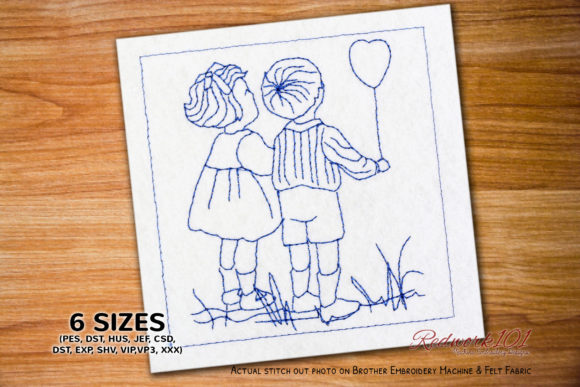
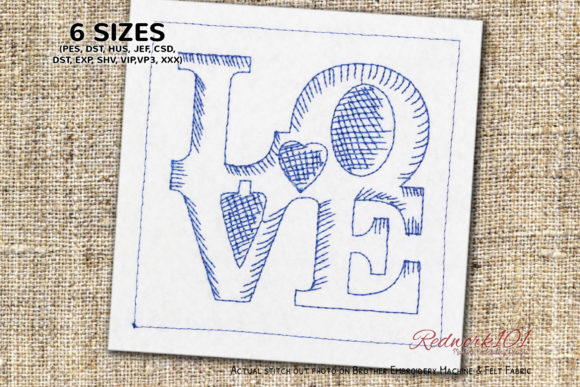
- Optional Box Stitch: Note that the box stitch shown in promotional pictures is often optional. The color of the outer box may differ or be absent depending on the specific file version. You can usually skip this if you prefer a cleaner, border-less look.
In conclusion, the Cat with Heart Balloons Redwork is a delightful addition to any embroidery designer’s library. It offers a blend of nostalgia and modern appeal that resonates with a wide audience. By paying attention to fabric choice, stabilizer selection, and presentation, you can transform this simple digital file into a high-value handmade product that customers will cherish. Whether for a wedding gift, a baby’s nursery, or a Valentine S Day surprise, this design delivers both charm and quality.