Sleeping Sloth: A Cozy Holiday Embroidery Review
As an experienced embroidery designer, I spend countless hours curating digital assets that not only look beautiful on screen but perform flawlessly under the needle. When planning my seasonal product collections for the upcoming holiday rush, I am always on the lookout for designs that evoke warmth, comfort, and a touch of whimsy. This is why Sleeping Sloth caught my eye immediately. In the crowded marketplace of Creative Fabrica embroidery files, finding a design that balances cuteness with commercial viability can be challenging. However, this piece stands out as a versatile option for creators looking to expand their Wild Animals category with something uniquely suited for the colder months.
First Impressions: Mood and Aesthetic Appeal
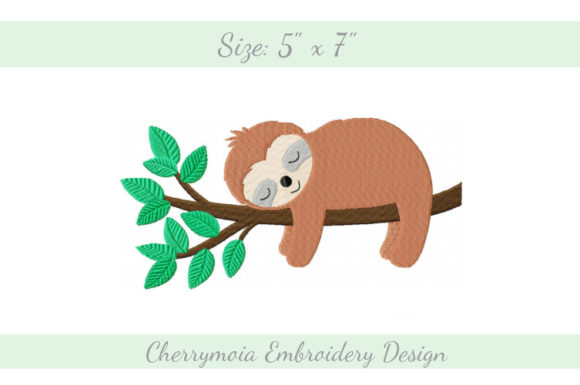
The first thing you notice about Sleeping Sloth is its inherent coziness. Unlike high-energy animal designs that might feel too playful for winter decor, this design exudes a calm, resting energy that aligns perfectly with the "hygge" trend popular during the holidays. The aesthetic is soft and inviting, making it an ideal candidate for seasonal embroidery projects aimed at relaxation and home comfort. It does not scream for attention; rather, it invites a second look, which is exactly what you want for a handmade gift intended to soothe and delight.
From a decorative standpoint, the design feels rustic yet modern. It avoids overly complex shading that can sometimes muddy up when stitched on textured fabrics, opting instead for clean lines and defined shapes. This simplicity is a strength, particularly for Etsy seller accounts that rely on quick production times without sacrificing quality. The emotional tone is gentle and nostalgic, tapping into the universal love for slow living—a sentiment that resonates deeply with buyers seeking escape from the holiday hustle.
Strategic Product Applications for the Holiday Season
When I evaluate a new machine embroidery design, I immediately visualize its application across various product lines. Sleeping Sloth is remarkably adaptable. Here is how I plan to utilize this embroidery file in my seasonal shop:
- Sweatshirt Embroidery: This is perhaps the strongest use case. Placed on the left chest of a heavyweight fleece or on the back of a oversized crewneck, the sloth becomes a statement of comfort. It pairs beautifully with neutral thread colors like oatmeal, sage green, or soft brown.
- Tote Bag Design: For eco-conscious shoppers, embroidering this design on canvas totes creates a charming small shop product. It works well for book bags or grocery totes, adding a personal touch to everyday items.
- Kitchen Towel Embroidery: Holiday hosting is huge, and cute kitchen linens sell fast. A sleeping sloth on a waffle-weave towel adds a playful element to the guest bathroom or kitchen, making it a perfect stocking stuffer.
- Pillow Cover: Home decor is a massive category in Q4. Stitching this onto a linen or velvet pillow cover creates a premium-looking item that encourages buyers to cozy up on the couch.
- Embroidered Patch: If you offer iron-on or sew-on patches, this design’s contained shape makes it ideal for customization. Customers can add these to jackets, beanies, or backpacks.
Beyond individual items, consider creating gift bundles. Pairing a personalized gift like a monogrammed onesie with a matching sloth-themed blanket can increase your average order value. The design’s versatility allows it to bridge the gap between baby items and adult apparel, expanding your target demographic significantly.
Navigating Technical Constraints and Quality Control
While the artistic appeal is strong, practical execution requires attention to detail. The product description for Sleeping Sloth explicitly states: "This is a digital embroidery file only you need to have an embroidery machine in order to use this design. Please note, that the quality can not be guaranteed when resizing or altering the design I do." This is a critical warning for any professional.
As a designer, I never resize embroidery files beyond the recommended limits because it distorts the stitch density. If you shrink the design too much, the stitches may become too dense, leading to puckering or thread breaks. If you enlarge it, you risk gaps in the coverage where the fabric shows through. Always check the included hoop size options before purchasing to ensure they fit your machine’s capabilities. If the file does not list specific formats compatible with your brand (Brother, Janome, Husqvarna, etc.), verify this with the seller or look for multi-format packs.
Fabric choice is equally important. On thick towels or fluffy fleece, you must use a appropriate stabilizer to prevent the design from sinking into the fabric texture. For dark fabrics, consider using a white or light-colored underlay if the design allows, or choose thread colors that contrast sufficiently to maintain visibility. Metallic threads can be tricky with detailed animal designs; if you want a festive sparkle, use them sparingly in accent areas rather than the entire fill.
Enhancing Seasonal Appeal and Buyer Emotion
In the context of holiday embroidery, emotion drives sales. Buyers are not just purchasing a stitch pattern; they are buying the feeling of warmth and connection. Sleeping Sloth taps into the desire for rest and tranquility. When marketing this on social media or in your Etsy listings, focus on these emotional benefits. Use captions that highlight slowing down, enjoying hot cocoa, and spending quiet time with family.
Visual recognition is key. A consistent brand aesthetic helps build customer trust. If your shop specializes in nature-inspired or cozy goods, adding this digital embroidery file reinforces your brand identity. It signals to your audience that you understand their lifestyle values. Furthermore, creating realistic mockups is essential. Show the design on a model wearing a sweater, or styled on a coffee table with holiday decor. These printable mockup images help customers visualize the finished product in their own lives, increasing conversion rates.
Practical Designer Notes for Best Results
To ensure success with Sleeping Sloth, follow these practical steps before listing your items for sale:
- Test Stitch Out: Always run a test on scrap fabric identical to your final product. Check for thread breaks, nesting, or registration issues.
- Thread Color Planning: Create a few standard color palettes. Earth tones work year-round, but adding a pop of red or green can make it specifically festive for Christmas without changing the design.
- Check Licensing: Before selling commercial embroidery products, review the license terms on Creative Fabrica. Ensure you have the right to sell physical items made with this design.
- Detail Review: After stitching, inspect small details like the eyes or claws. If they are too small for your needle size, consider simplifying the thread path or using a finer needle.
- Mockup Creation: Invest time in creating high-quality photos. Good lighting and styling can elevate a simple design into a premium offering.
In conclusion, Sleeping Sloth is a thoughtful addition to any Embroidery designer’s library for the holiday season. It offers a blend of charm and practicality that appeals to a wide range of customers. By respecting the technical limitations of the file and leveraging its emotional appeal, you can create standout products that resonate with buyers looking for meaningful, handmade gifts. Whether you are decorating sweatshirts, pillows, or tote bags, this design provides a solid foundation for a successful seasonal collection.