Review: Little Buddha ITH Key Fob Pattern
As a designer who spends more time staring at stitch maps than finished garments, I have learned that the smallest projects often demand the most scrutiny. A key fob is not just an accessory; it is a tactile object handled dozens of times a day. When I first loaded the Little Buddha ITH Key Fob Pattern into my digitizing software, I was looking for more than just a cute icon. I was evaluating its viability for real-world production, specifically for small shop owners and Etsy sellers who need reliable, high-margin items.
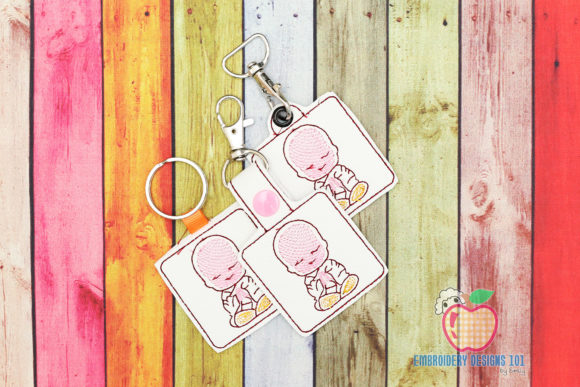
This In The Hoop (ITH) design promises versatility by including three distinct versions: Snap Tab, Eyelet, and Ribbon. For a craft business owner, this flexibility is crucial. It means you are not locked into one supply chain or hardware type. However, the true test lies in how the design translates from a digital embroidery file to a physical, durable product. Here is my practical assessment of using this pattern in a commercial or serious hobbyist context.
First Impressions and Visual Personality
The immediate mood created by the Little Buddha motif is one of calm and mindfulness. In the realm of Religion and spiritual-themed Embroidery, there is a fine line between respectful representation and kitsch. This design leans toward the latter in the best way possible—it is approachable, simplified, and friendly. The lines are clean, avoiding overly complex shading that might get lost in such a small scale.
Visually, the layout feels balanced. Whether you are stitching it onto a snap tab or threading a ribbon through an eyelet, the central figure remains the focal point. For a handmade product, this clarity is essential. Customers browsing online or at a craft fair make split-second decisions. A cluttered design on a tiny key fob looks messy; a clean design looks professional. The Little Buddha ITH Key Fob Pattern achieves that necessary simplicity without sacrificing character.
Real-World Application and Versatility
I recently considered this design for a batch of custom gifts for a yoga studio’s holiday embroidery promotion. The goal was to create affordable yet meaningful personalized gifts for instructors. The 4x4 hoop friendly nature of the design made it ideal for quick production runs. Because it fits in a standard small hoop, I could stitch multiple units in a single session without constantly re-hooping large garments.
Beyond key fobs, the versatility of the three included versions opens up several avenues for a small shop product. The Snap Tab version is robust, suitable for heavy daily use. The Eyelet and Ribbon options offer a softer, more decorative appeal, perfect for baby embroidery projects or as charms on tote bag designs. If you are an apparel decorator, you might even adapt the motif for a small chest logo on a sweatshirt embroidery project, though you would need to ensure the stitch density is appropriate for stretchy fabrics.
For digital product sellers, having three variations in one package increases the perceived value. You can market these as design assets for various occasions, from zen-themed nursery decor to mindful holiday gifts. The ability to switch between hardware types allows you to cater to different customer preferences without purchasing multiple separate files.
Technical Performance and Stitch Quality
When evaluating any machine embroidery design, stitch density is the primary concern for small items. Key fobs undergo significant stress. They are tossed into pockets, dropped on concrete, and pulled by keys. If the stitch density is too low, the fabric backing will show through, and the edges will fray. If it is too high, the item becomes stiff and board-like.
In my review of the Little Buddha ITH Key Fob Pattern, the balance seems well-managed for its size. The use of satin stitch for outlines likely provides a crisp border, while fill stitch areas give body to the Buddha figure. However, because this is an ITH design, the construction method matters as much as the artwork. You must ensure your stabilizer choice matches your fabric texture. For a key fob, I recommend a medium-weight cut stabilizer rather than tear-away, as the structural integrity of the fob depends on it.
One critical area to watch is the transition between colors. In small designs, thread breaks or poor tension can be glaringly obvious. I advise testing the design on scrap fabric first, ideally using the same thread colors you plan to sell. Check the contrast. If you are using dark thread on dark fabric, the details may vanish. Conversely, high-contrast thread colors can highlight any minor registration errors. Always inspect small details under magnification before committing to a full production run.
Fabric and Hardware Considerations
While the design is 4x4 hoop friendly, the description notes compatibility with 5x7 hoops as well. This is beneficial if you are stitching multiple fobs at once using a multi-position frame. However, be cautious with fabric selection. Textured fabrics like linen or heavy canvas can obscure fine details. Smooth cotton or polyester blends tend to yield the crispest results for this type of intricate, small-scale work.
If you are using the Ribbon or Eyelet versions, consider the durability of the attachment point. The embroidery around the eyelet must be dense enough to prevent the fabric from tearing when the key ring is pulled. This is where the quality of the digital embroidery file becomes apparent. A well-digitized file will include reinforcement stitches around stress points. If you are unsure, reinforce the area manually with a small piece of interfacing before stitching.
For those interested in commercial embroidery, remember that consistency is key. If you are producing fifty units for a boutique branding campaign, each fob must look identical. Test the design on both light and dark fabric backgrounds to ensure your thread color palette works universally. Sometimes, a design that looks vibrant on white cotton appears muddy on navy blue. Adjusting your thread colors or adding an underlay stitch can mitigate these issues.
Commercial Viability and Brand Consistency
From a business perspective, the Little Buddha ITH Key Fob Pattern offers strong potential for impulse buys. It is small, inexpensive to produce, and carries an emotional resonance. For an Etsy seller, this fits perfectly into categories like "mindful accessories" or "spiritual gifts." The professional presentation of the finished product directly impacts customer trust. A sloppy stitch-out suggests a lack of care, while a crisp, well-formed fob suggests quality craftsmanship.
Before listing these as finished products or digital embroidery file downloads, confirm the licensing terms. Most designers allow commercial use for finished physical items, but restrictions may apply to reselling the file itself. Always check the specific license provided with the download. Additionally, if you are creating printable mockups for your online store, ensure the mockup accurately represents the stitch texture. Buyers appreciate transparency regarding the handmade nature of the product.
Final Designer Notes
To maximize the success of this project, follow these practical steps:
- Test on Scrap Fabric: Never stitch your first unit on final material. Use scraps to check tension and alignment.
- Check Thread Contrast: Ensure the Buddha figure stands out against the background fabric.
- Review Stitch Density: If the fob feels too stiff, consider reducing density in non-critical areas if you have editing software.
- Confirm Hoop Size: While 4x4 friendly, ensure your machine’s actual stitching area accommodates the design without hitting the hoop edges.
- Inspect Small Details: Look for loose threads or jumps that need trimming, especially in the facial features of the design.
- Use Proper Stabilizer: A cut stabilizer is generally preferred for ITH items that require structure.
- Verify Licensing: Confirm you have the right to sell finished items made with this design.
In conclusion, the Little Buddha ITH Key Fob Pattern is a solid addition to a designer’s library. It balances aesthetic appeal with practical functionality. For those willing to pay attention to detail in fabric selection and stabilization, it offers a reliable path to creating high-quality, meaningful handmade products. Whether for personal use or commercial sale, it stands up to the rigors of real-world embroidery work.