Moped Embroidery Review: Elevating Boutique Sweatshirts
As an embroidery designer who has spent years refining digitizing techniques for small clothing brands, I approach every new machine embroidery design with a critical eye. It is not just about whether the file runs smoothly; it is about whether the final finished product tells a story that resonates with customers. Recently, I had the opportunity to test the Moped design for a limited-edition sweatshirt drop intended for a local boutique brand. This review breaks down how this colorful piece performs in a real-world commercial setting, moving beyond basic specifications to explore its aesthetic and practical value.
First Impressions: Mood and Aesthetic Appeal
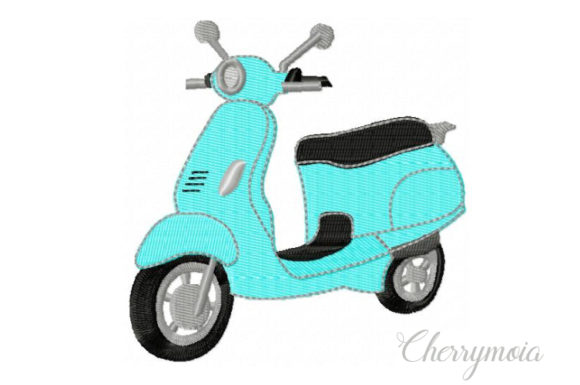
The moment I loaded the digital embroidery file into my software, the vibrancy of the Moped design stood out. In the realm of Transportation themed art, motorcycle and scooter motifs can often lean too rugged or overly technical. However, this particular Embroidery pattern strikes a delightful balance. It feels playful yet sophisticated, making it an ideal candidate for lifestyle apparel rather than just novelty gear.
The layout suggests a whimsical energy. For a boutique looking to capture a younger, trend-conscious demographic, this design offers a "cute" and "bold" vibe without sacrificing professionalism. The color palette implied by the preview suggests high contrast, which is crucial for visibility on various fabric backgrounds. When envisioning this on a premium garment, the immediate thought is versatility. It does not scream "costume"; it whispers "curated style."
Styling Moped for Sweatshirt Collections
The core of this project was preparing a sweatshirt embroidery collection for a small online shop. We tested the design across several fabric types and colors to determine its commercial viability. Here is how Moped performed in different scenarios:
- Neutral Sweatshirts: On heather grey or oatmeal-colored fleece, the colorful threads popped beautifully. The design added a necessary focal point to minimalist basics, transforming a plain item into a statement piece.
- Dark Fabric: Placing the design on navy or black required careful thread selection. The bright hues in the Moped file ensured readability, but we had to ensure the underlay was sufficient to prevent the dark fabric from showing through the lighter stitch areas.
- Pastel Colors: For spring releases, pairing this design with blush pink or mint green hoodies created a soft, feminine aesthetic. The playful nature of the moped motif complemented the gentle tones perfectly.
- Oversized Hoodies: This is where the design truly shined. The slightly larger scale of the artwork balanced the volume of an oversized fit, making it look intentional and high-end rather than lost on the fabric.
For any Etsy seller or small shop product developer, understanding these pairings is vital. The design feels decorative enough to justify a higher price point, especially when marketed as part of a cozy, seasonal apparel line.
Technical Considerations for Commercial Use
While aesthetics drive sales, technical execution ensures customer satisfaction. As a designer, I always scrutinize the structural integrity of a file before committing to production. Here are the key technical aspects to consider when using Moped for custom apparel:
Stitch Density and Fabric Texture
Sweatshirts and hoodies are typically made from medium-to-heavy weight cotton blends. The stitch density of the Moped design appears well-balanced for these materials. It is dense enough to provide rich color coverage but not so heavy that it causes puckering or stiffness. However, if you are working with a thinner jersey for t-shirts, you must adjust your stabilizer strategy. A cut-away stabilizer is recommended for activewear to maintain shape after repeated washing, while a tear-away might suffice for thicker fleece if the design is small.
Hoop Size and Placement
Placement is everything in hoodie design. For a chest logo, the Moped motif works well in a 4x4 or 5x7 hoop, depending on the specific dimensions of the file. For a bold back design, scaling it up requires checking the stitch count to ensure run times remain efficient. Always check the provided hoop size compatibility in the file package. If the design is too large for standard hoops, you may need to split it, which is generally not recommended for intricate colorful designs due to alignment challenges.
Thread Color Contrast and Readability
The description notes that this is a "colorful embroidery." This is a strength, but it demands precision. When digitizing or editing, ensure that adjacent colors have enough contrast. On a busy fabric texture like French terry, low-contrast threads can blur together. I recommend using high-quality rayon or polyester threads that have a slight sheen, enhancing the visual depth of the moped’s details.
Enhancing Brand Identity and Product Value
Using a distinctive design like Moped does more than decorate a garment; it builds brand identity. For a boutique brand, consistency in visual language is key. This design contributes to a narrative of fun, mobility, and creative freedom. When customers see this level of detail, it fosters buyer trust. They perceive the item as a handmade product with care invested in its creation, rather than a mass-produced blank.
Furthermore, this design is highly photogenic. For Etsy listings and social media marketing, the colorful stitches stand out against neutral backgrounds, increasing click-through rates. Creating a printable mockup or using high-resolution photos of the embroidered sample can significantly boost customer engagement. The unique character of the moped invites questions and comments, driving organic reach for your design assets.
Practical Advice for Production
Before launching your commercial embroidery run, there are a few final checks to perform. Since the product description mentions that the file comes with multiple formats, ensure you are using the correct one for your machine brand to avoid conversion errors. Always stitch out a test sample on the exact fabric you intend to use. Check for thread breaks, nesting, or registration issues.
Also, verify the license terms. While many digital files allow for commercial use, some have restrictions on the number of physical items produced. Confirming this protects your business legally. Additionally, since specific stitch counts and exact hoop dimensions were not detailed in the brief description, I strongly advise downloading the preview or info sheet provided by the seller to plan your production timeline accurately.
In conclusion, the Moped design is a robust choice for designers looking to add personality to their apparel lines. It bridges the gap between playful illustration and professional embroidery, offering versatility across various garment types. Whether you are creating a small shop product line or expanding your custom apparel offerings, this design provides the visual impact needed to stand out in a crowded market. By paying attention to stabilizer choices and thread contrasts, you can ensure that every piece leaving your studio reflects the high quality your customers expect.